Spain, Pt. 2
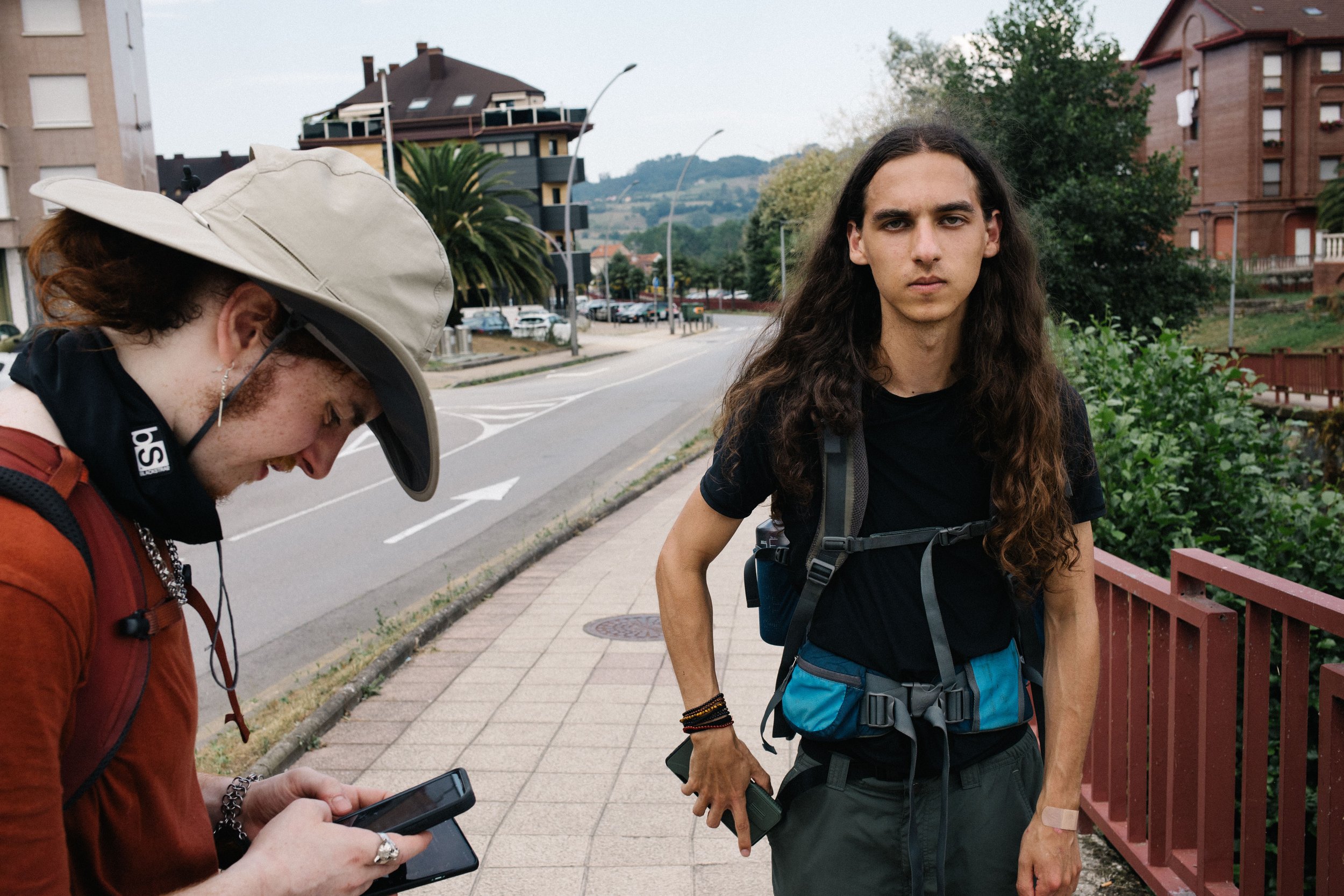
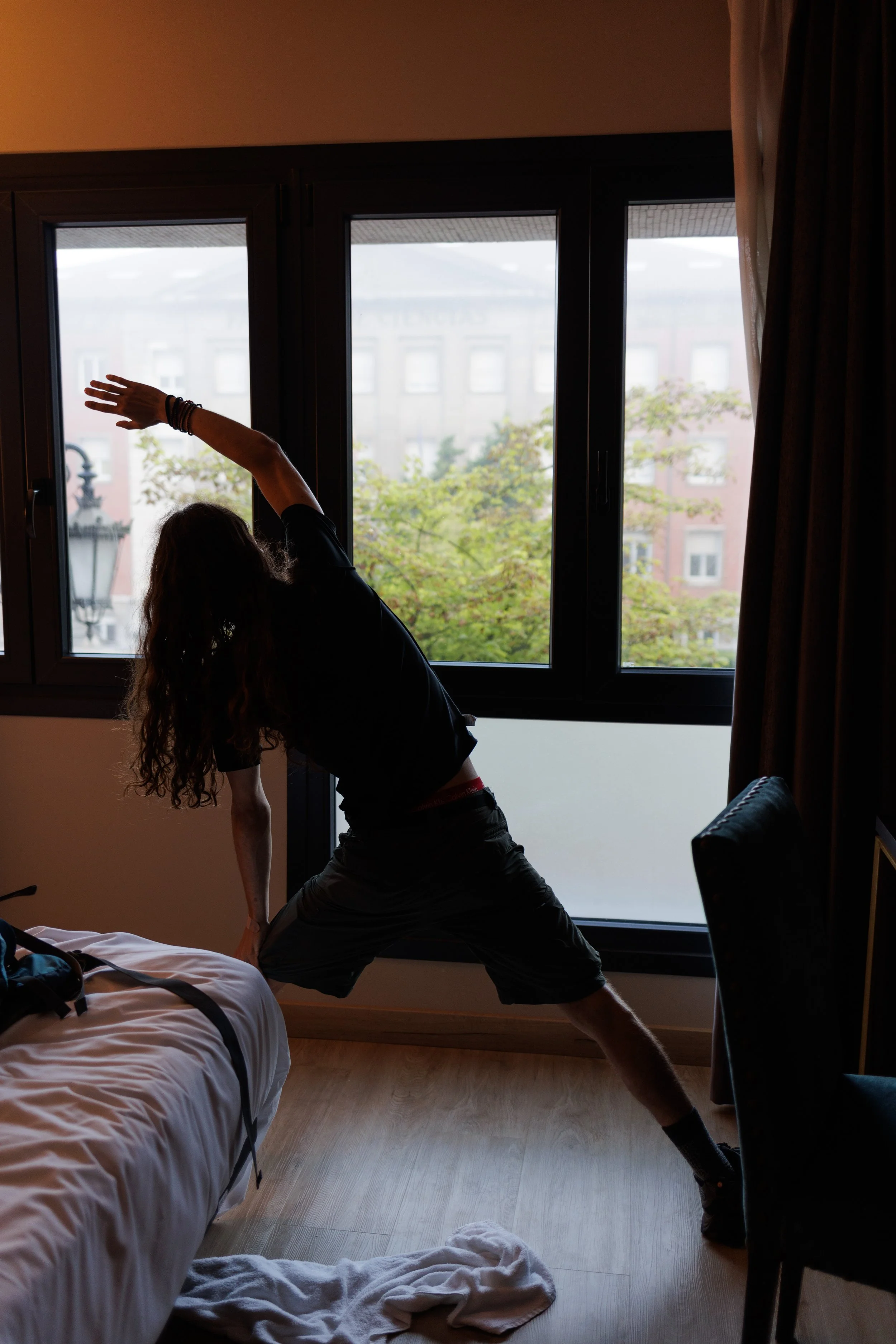
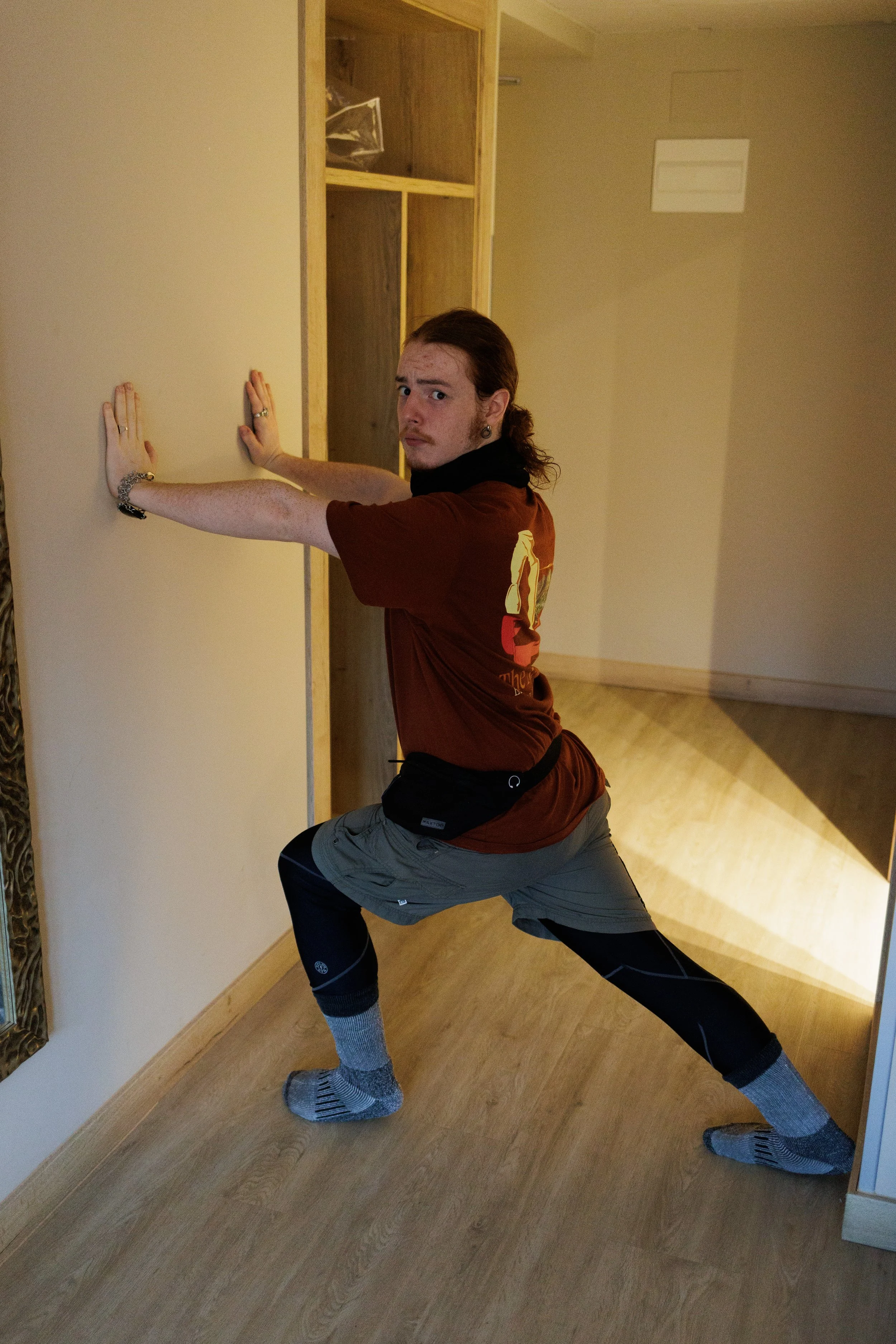
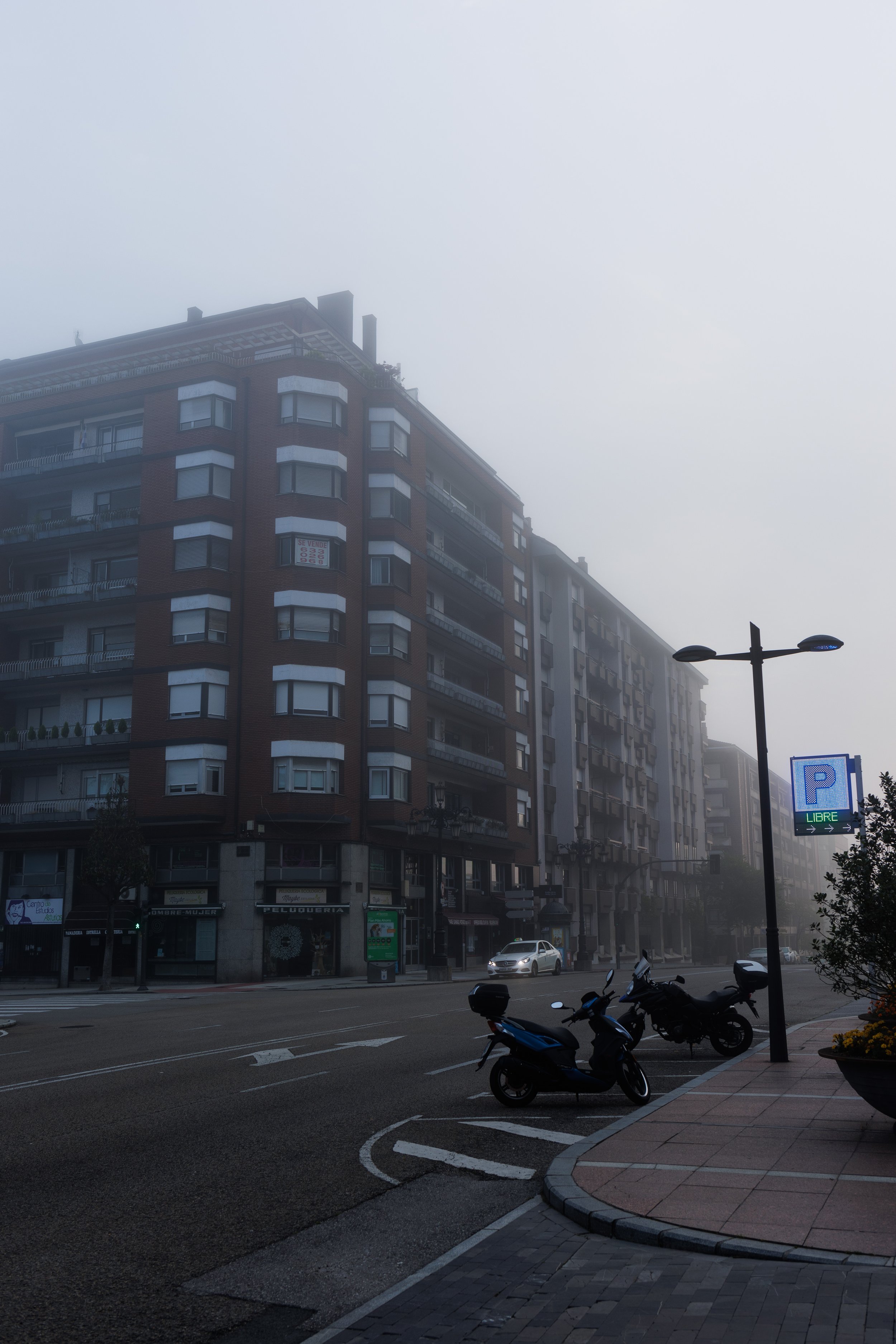
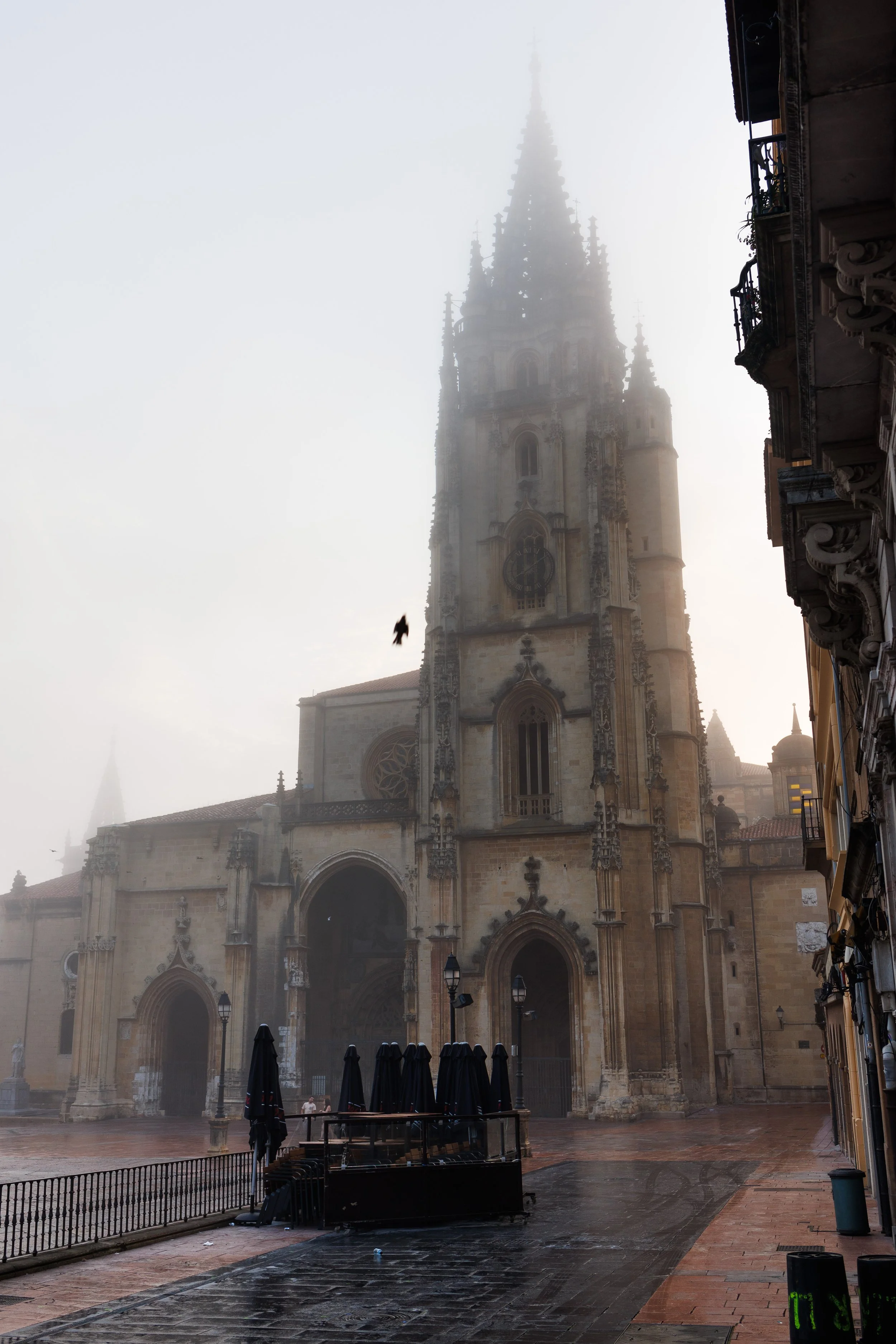
We woke early the morning after our first sleep in Spain, around 7 AM. Although seven isn’t particularly early as far as mornings go, we had just travelled from a time zone that was five hours behind, leaving our body clocks at 2 AM. After such a disorienting day of travel, it wasn’t easy to leave our hotel. Our excitement at starting the hike, however, propelled us through the fog and to the official start of the Camino, Catedral de San Salvador.
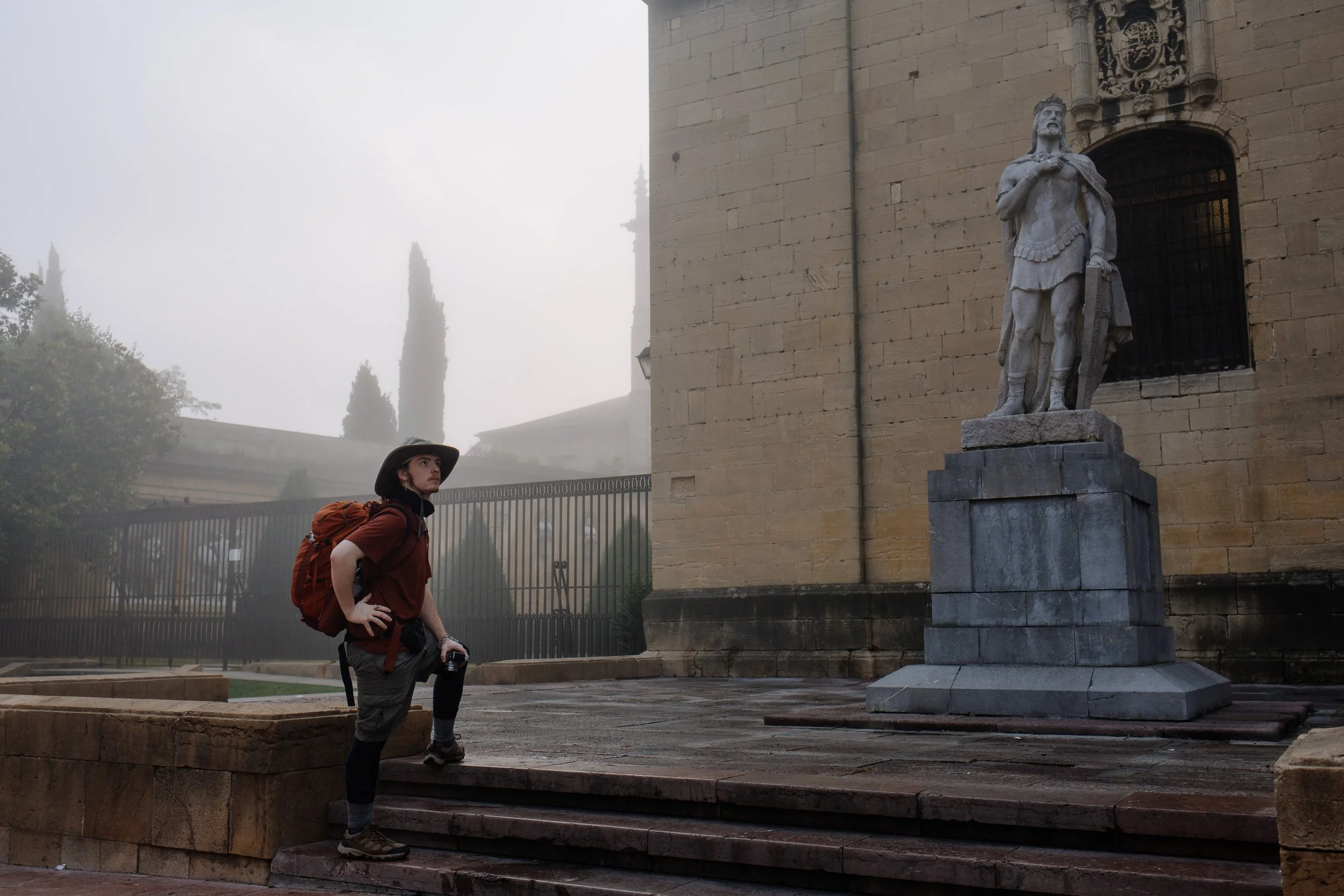
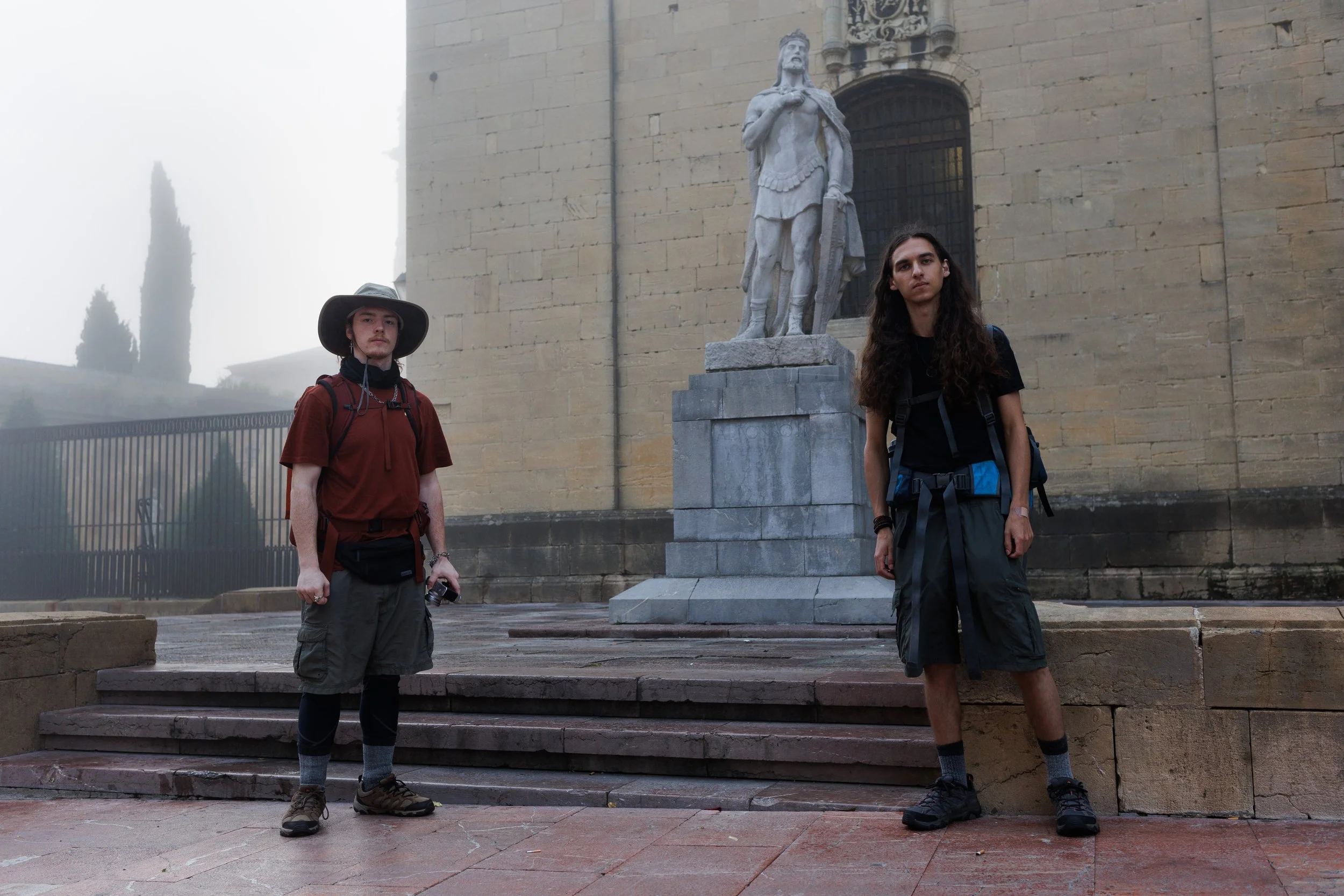
Not long after we started walking, we came across a nice looking café, Café Traslacerca, and stopped off for breakfast. It became a great comfort on the Camino to start walking and know that one was never further than a few miles from great food and drink. Of course, in Oviedo our options were many, but this café was directly on the trail and opened early (to cater to pilgrims, no doubt). Inside, we saw plenty of pilgrims as expected, but also several locals drinking wine or beer. We came to learn that every café has an alcohol selection and every bar has an espresso machine, both of which became essential to our routines on the trail.
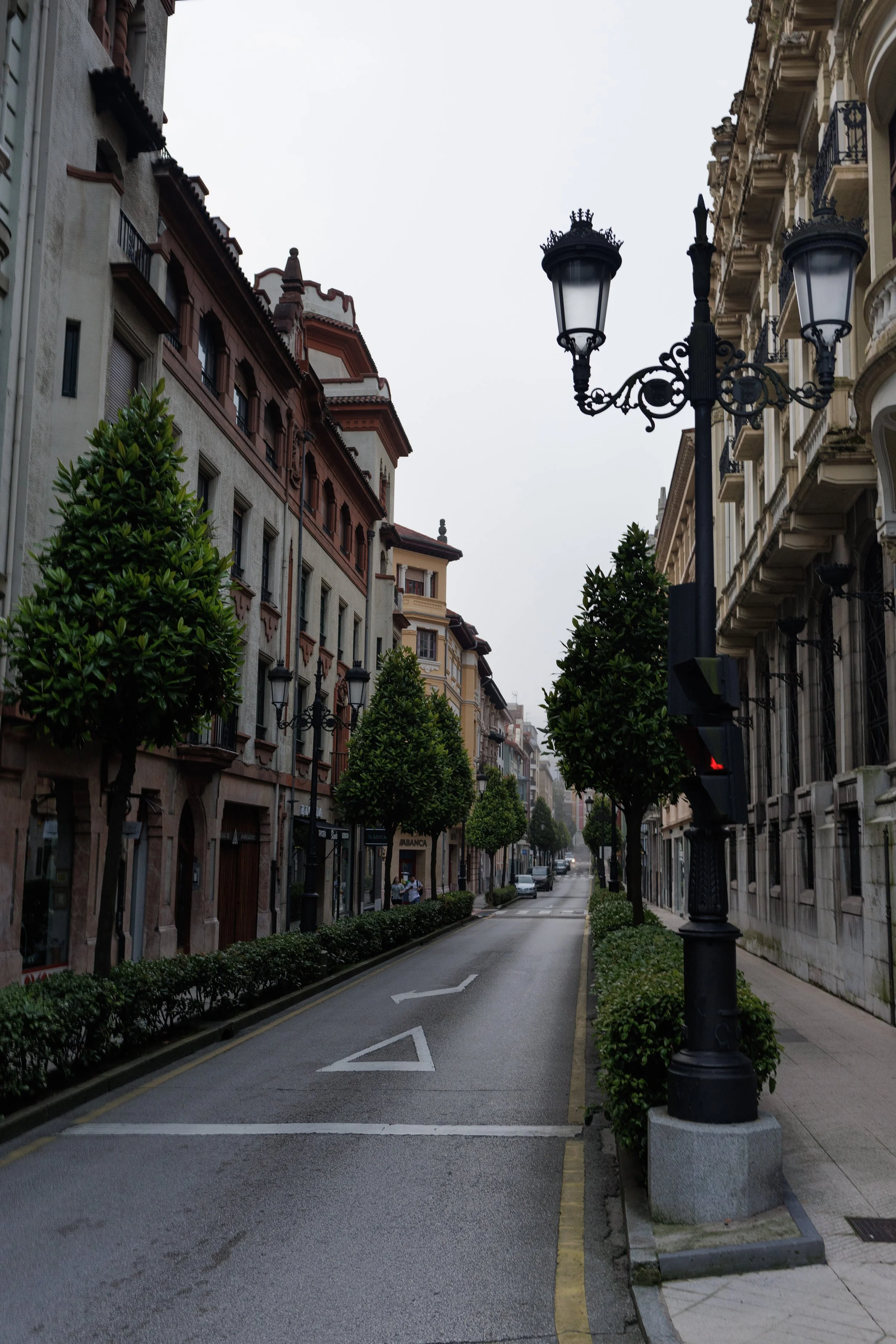
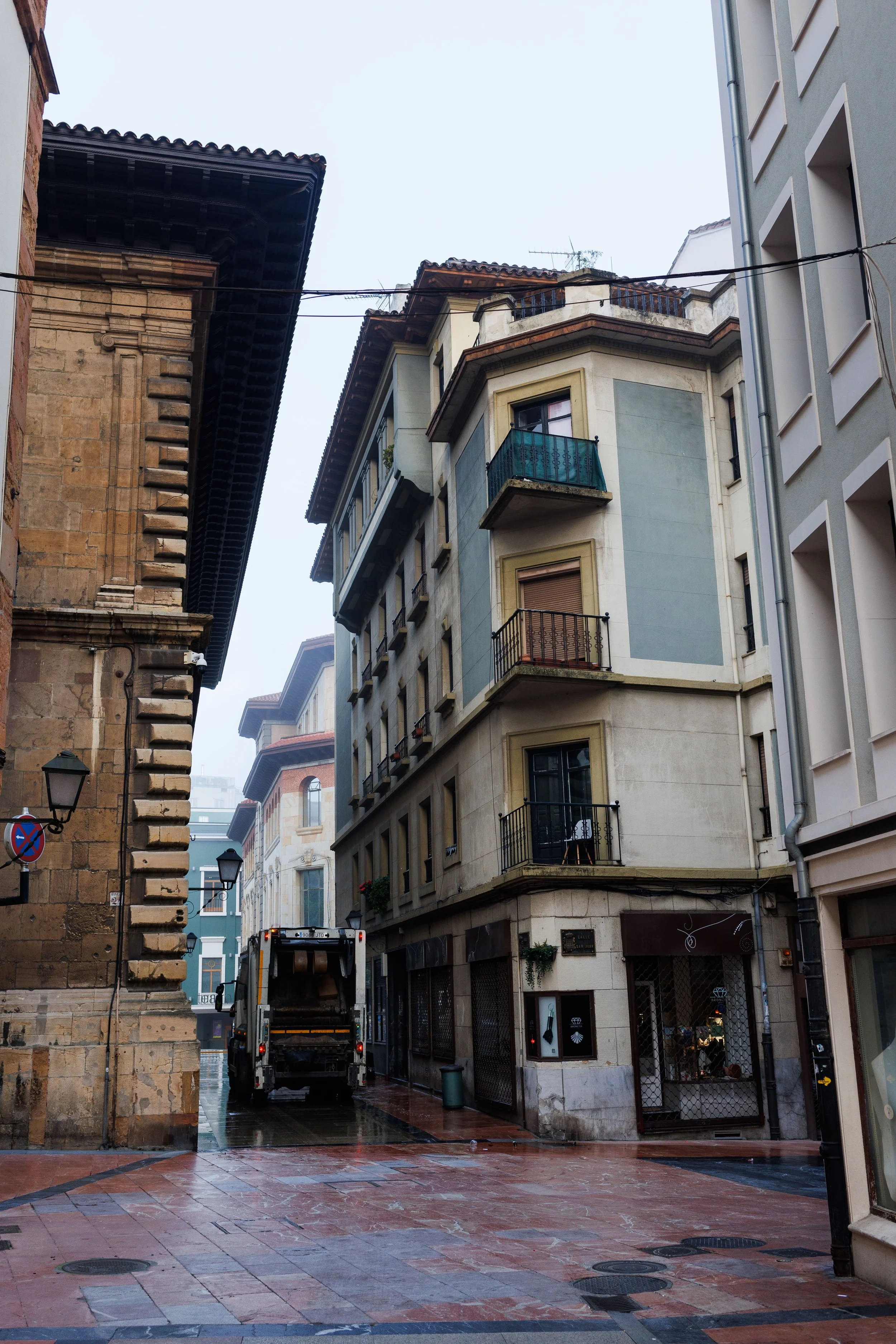
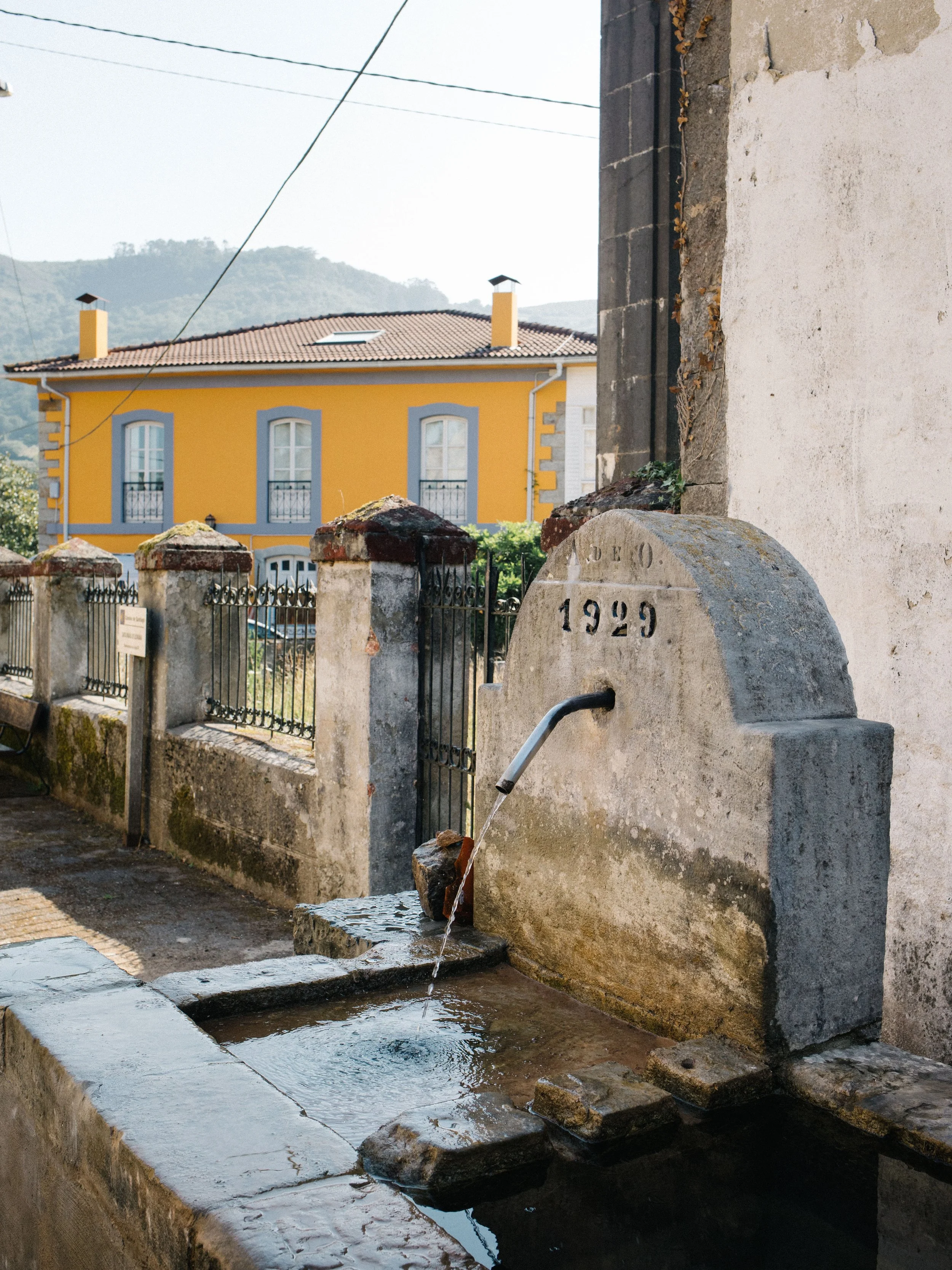
After breakfast, we walked through the bulk of downtown Oviedo from West to East. The city was beautiful, dense and vibrant. The city center was a canopy of 5-10 story buildings separated by tiny, snaking streets, most only one or two lanes and many pedestrianized. Facades were painted all different colors and a mix of historical buildings and modern developments made it feel thoroughly and actively lived in. Towards the outskirts, the urban fabric became much more planned and modern, featuring long straight boulevards, roundabouts, and more structured housing blocks.
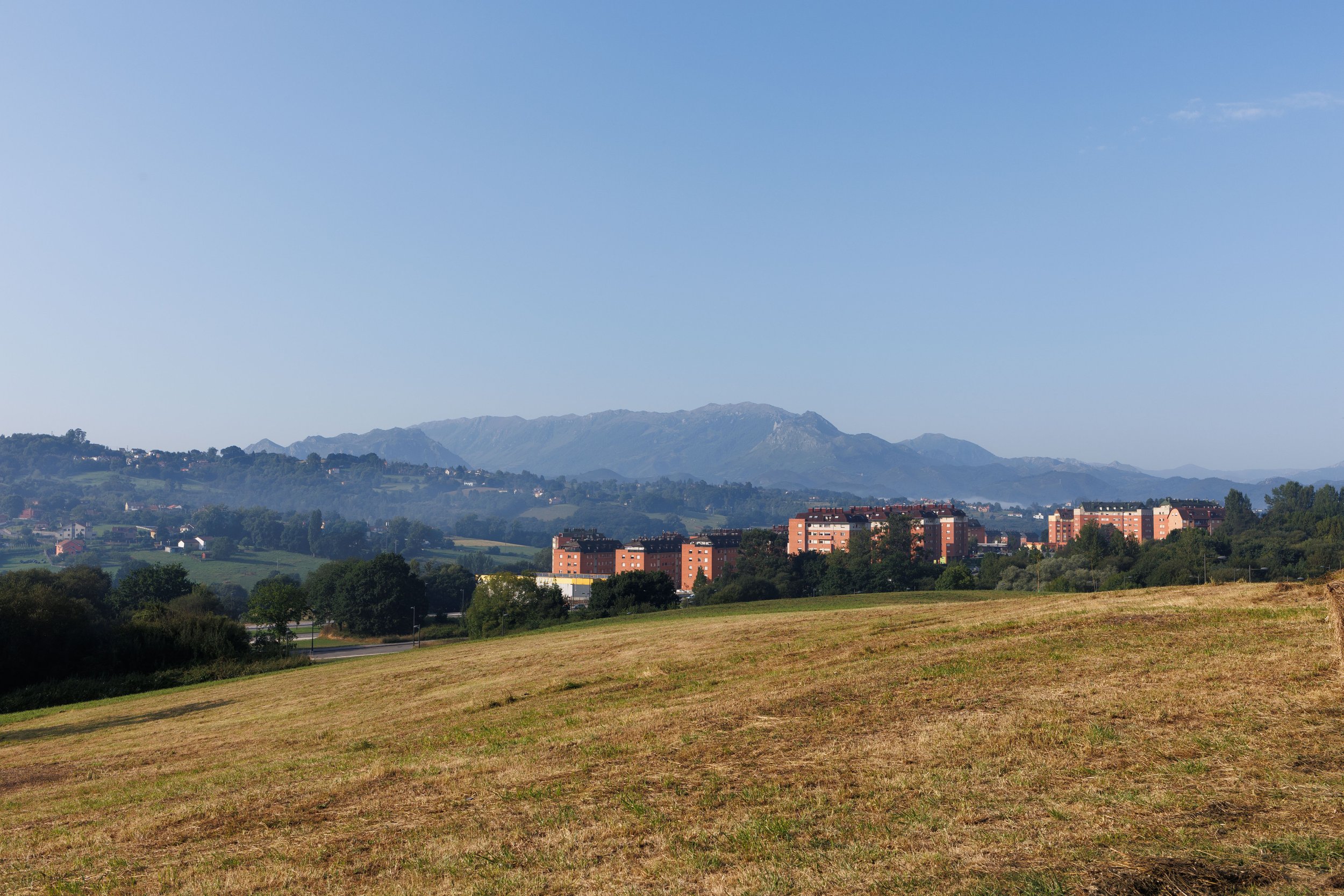
I would later come to understand this as a rule rather than an attribute of Oviedo, but I was struck by how quickly the city ended. As we reached the edge of town, massive (by American standards) residential courtyards bordered vast fields, no gradual reduction to suburban single family housing that I was used to.
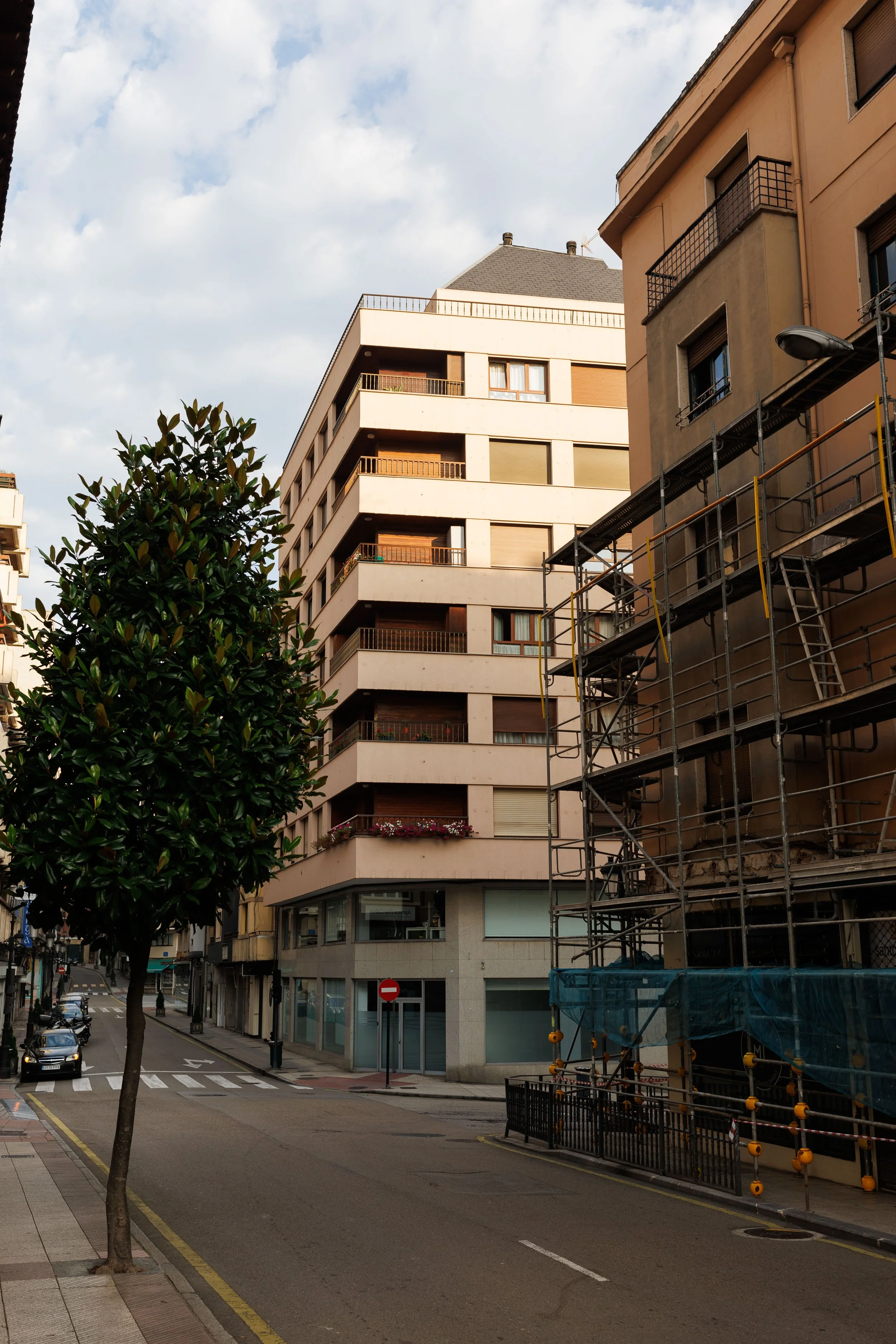
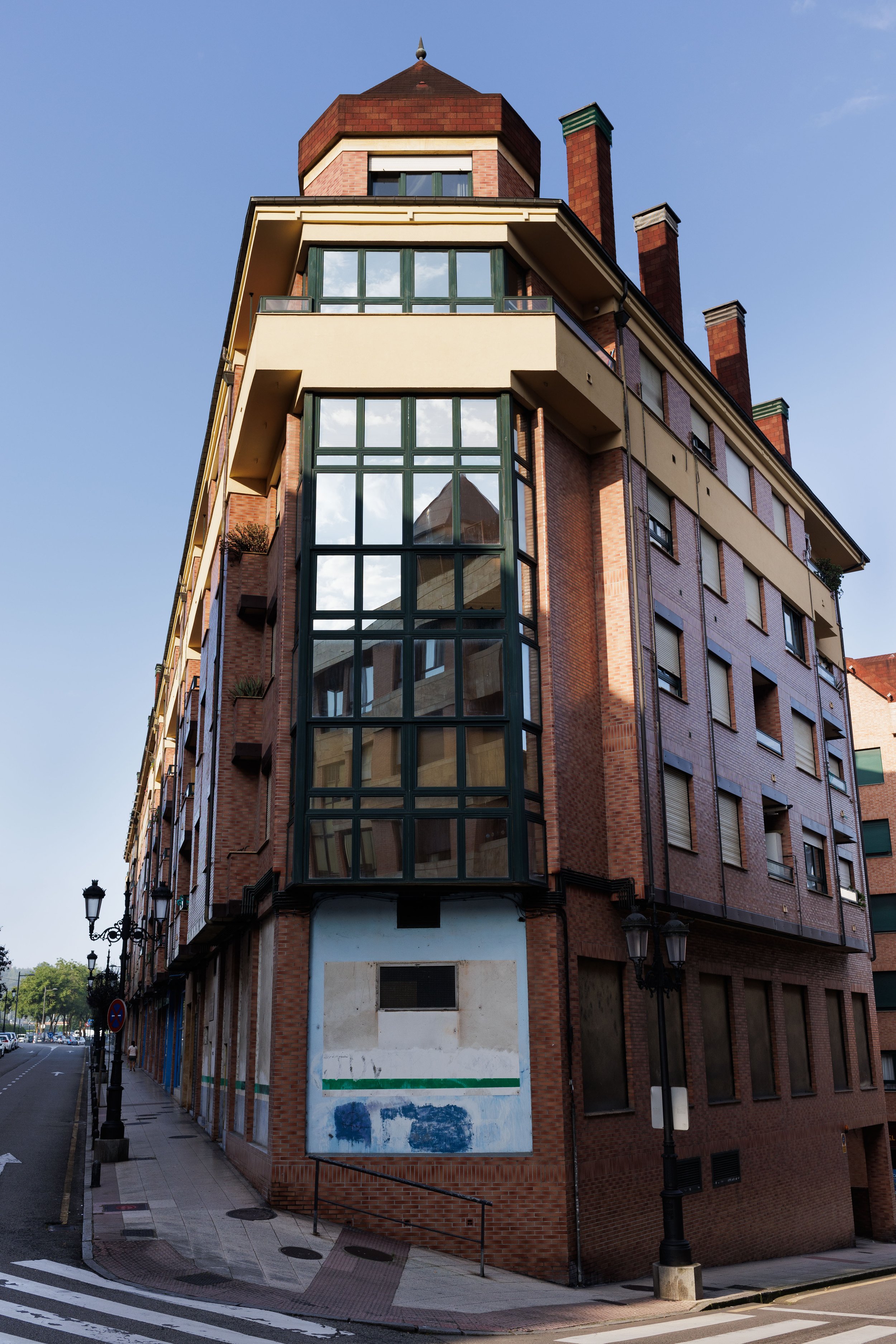
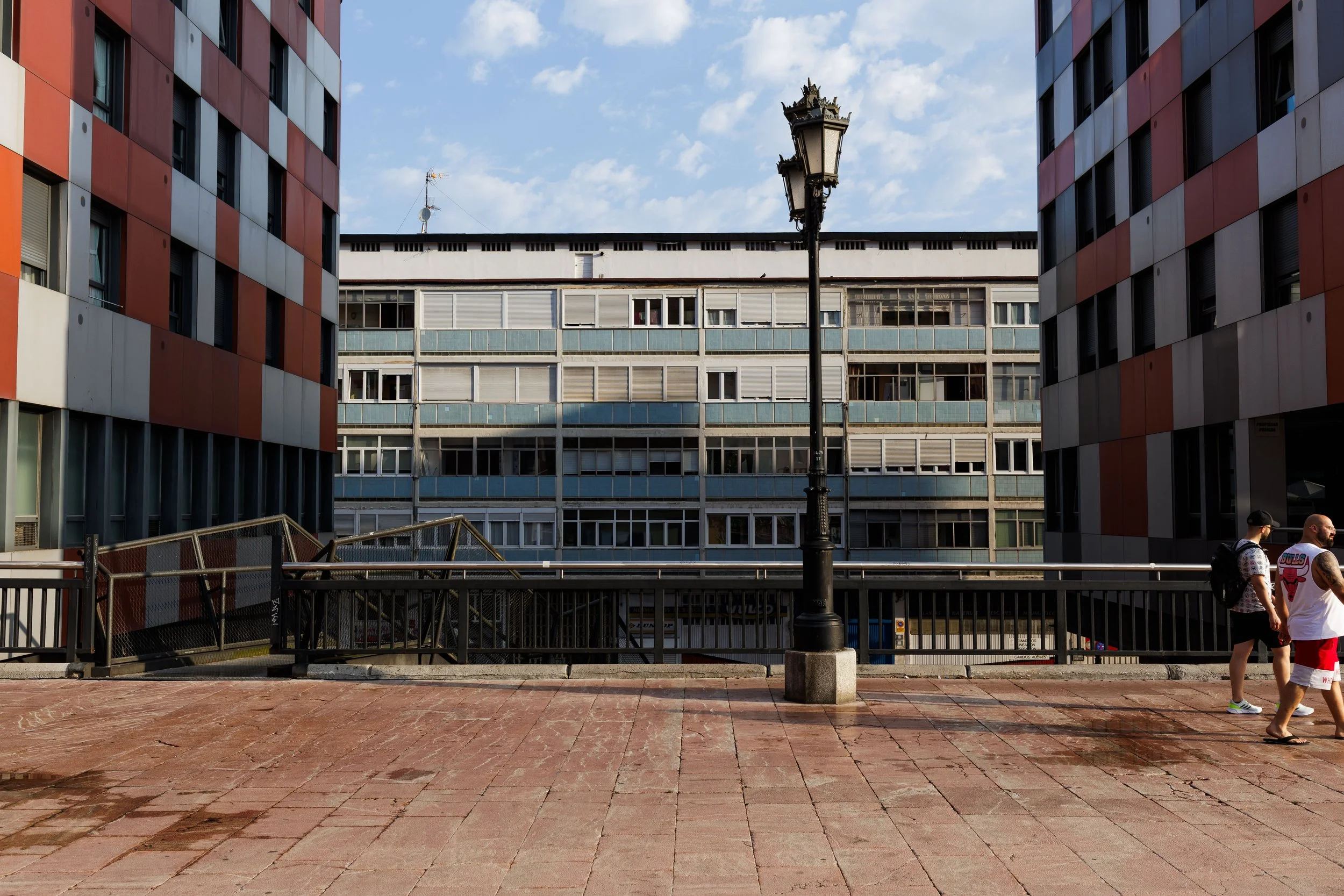
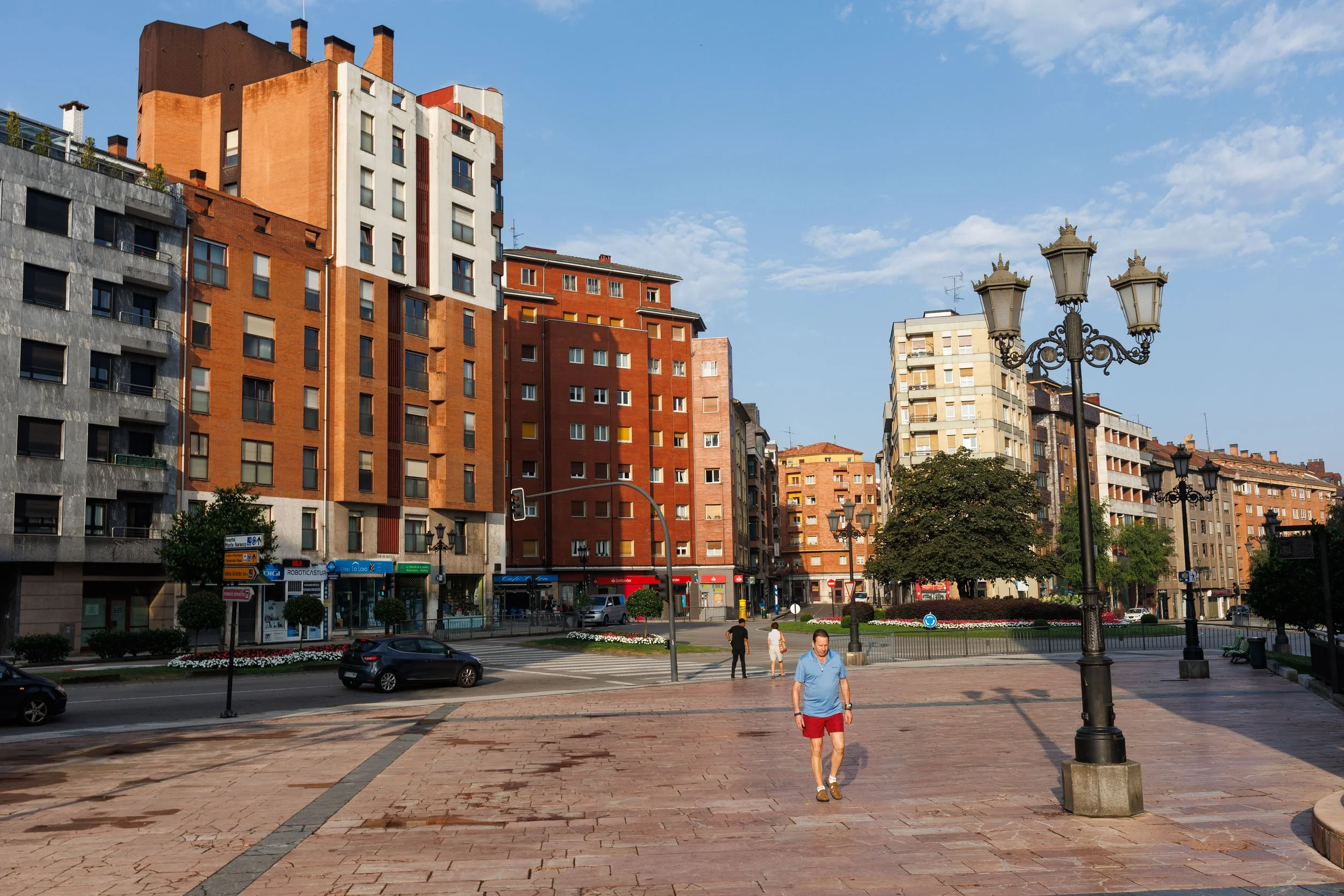
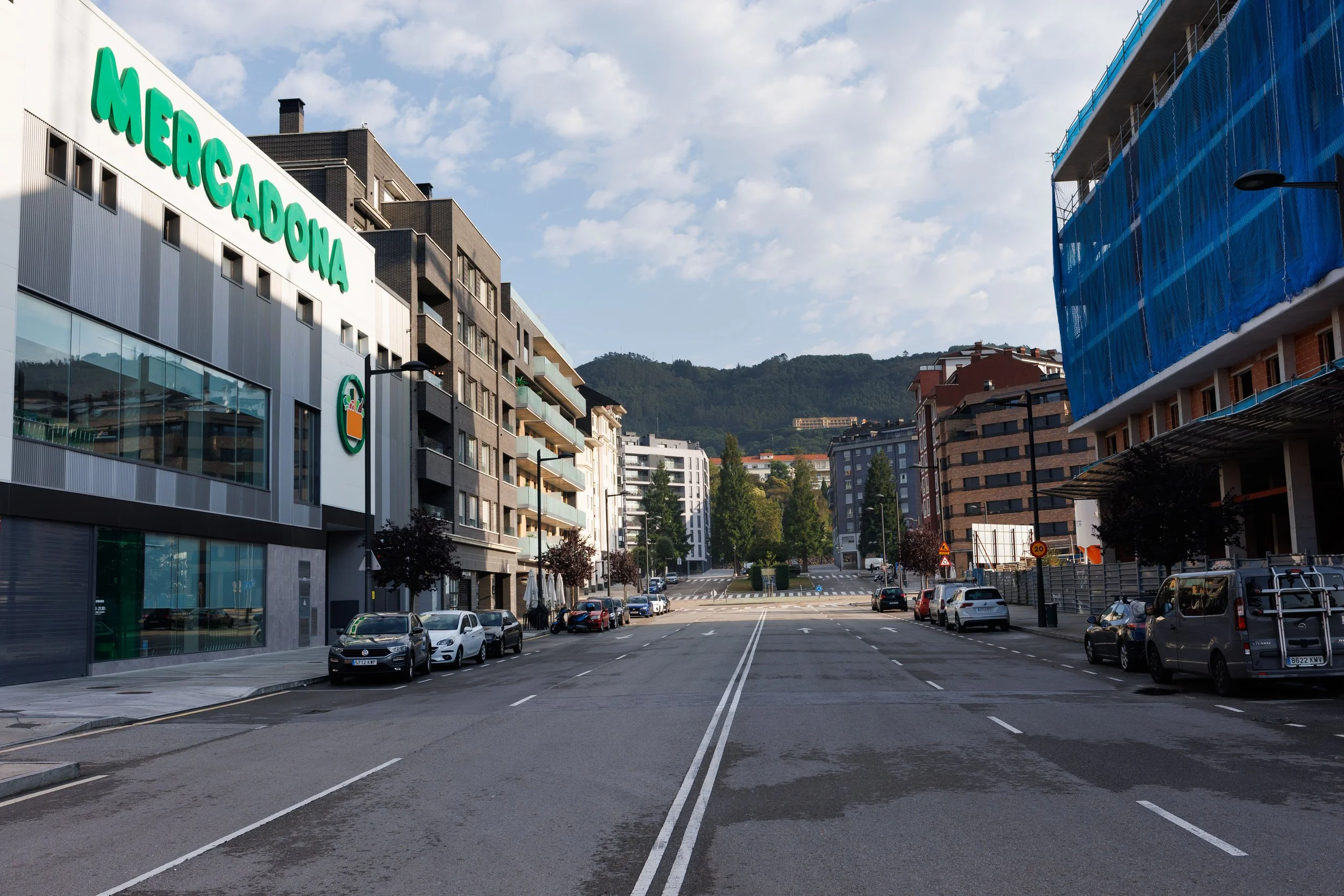
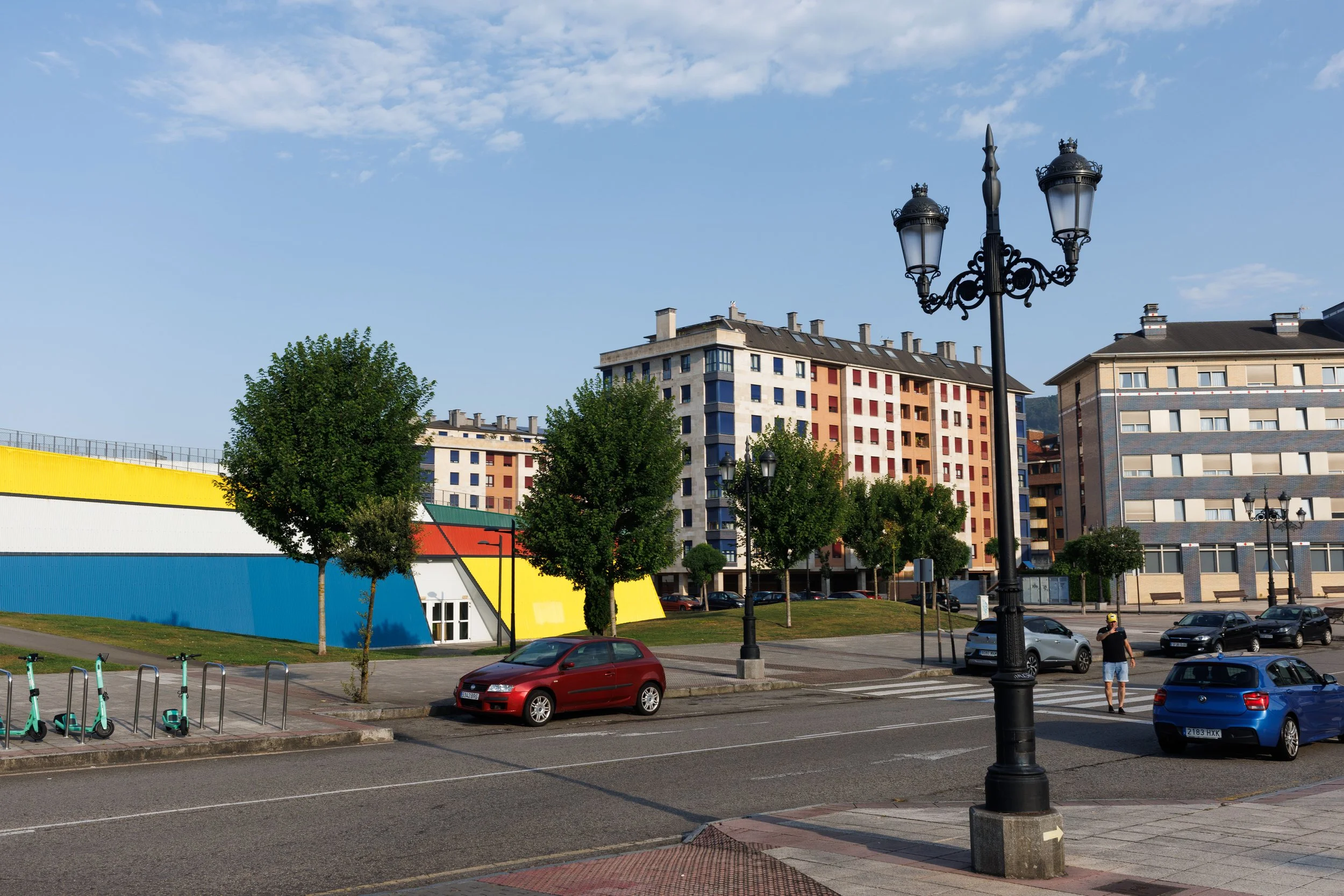
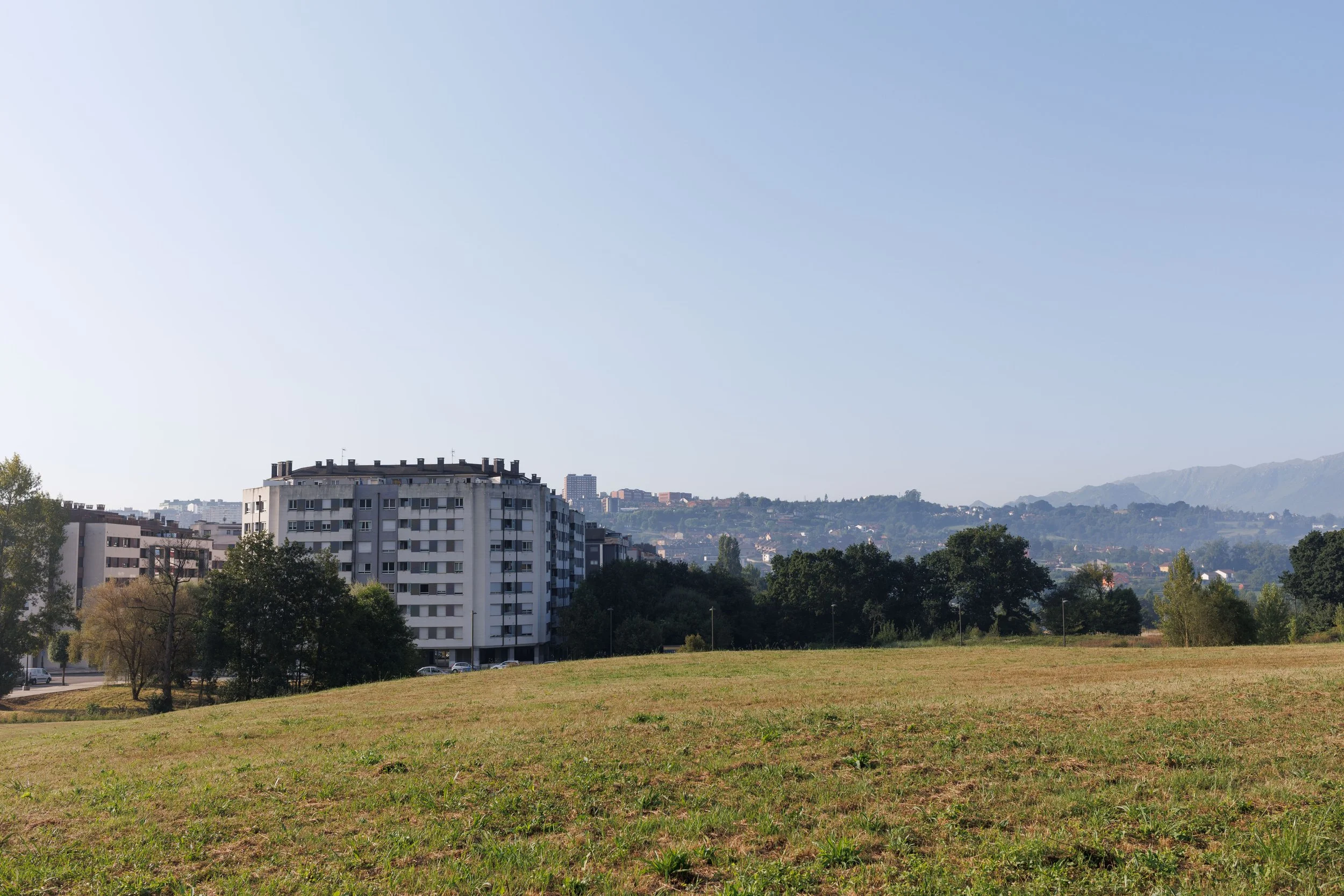
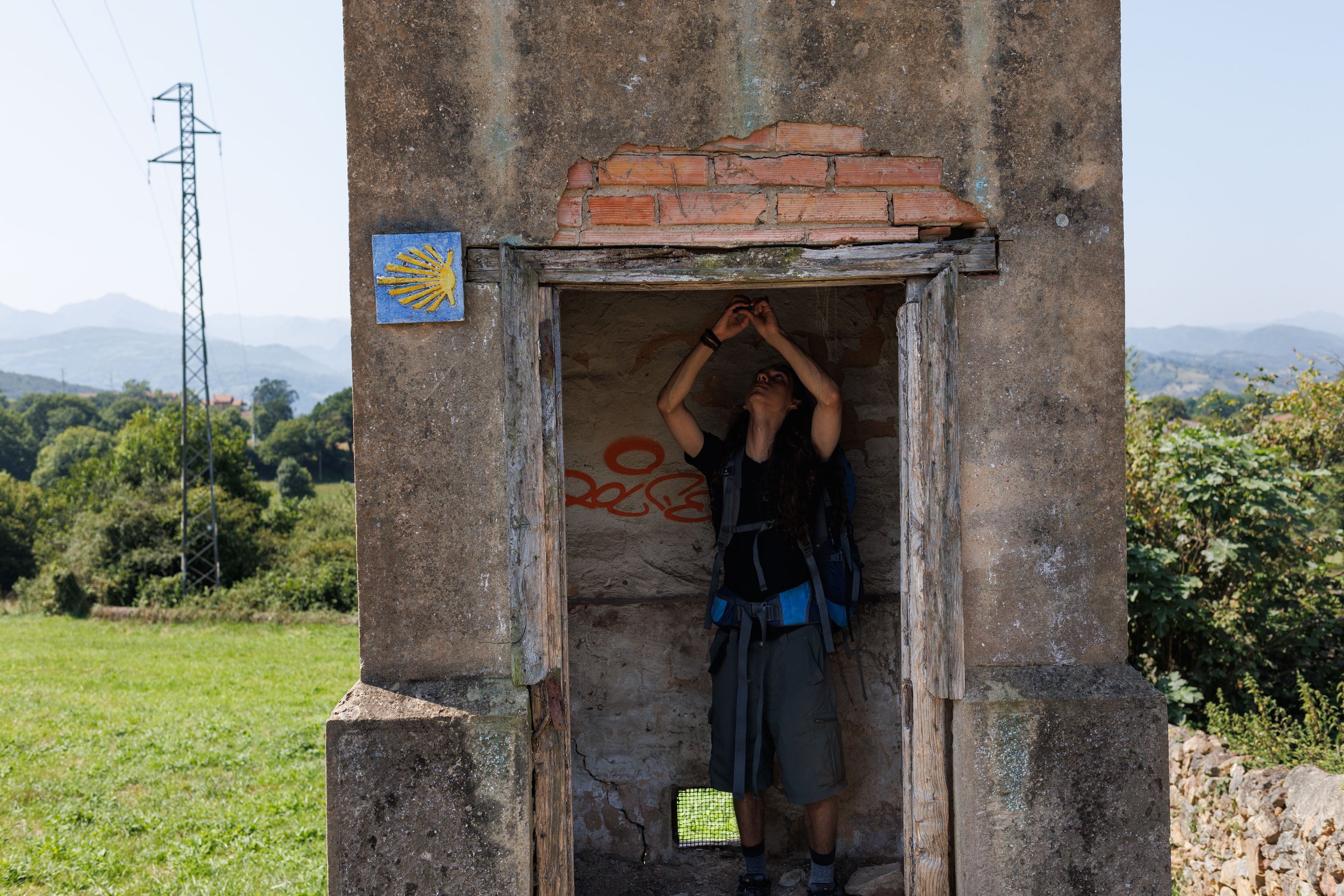
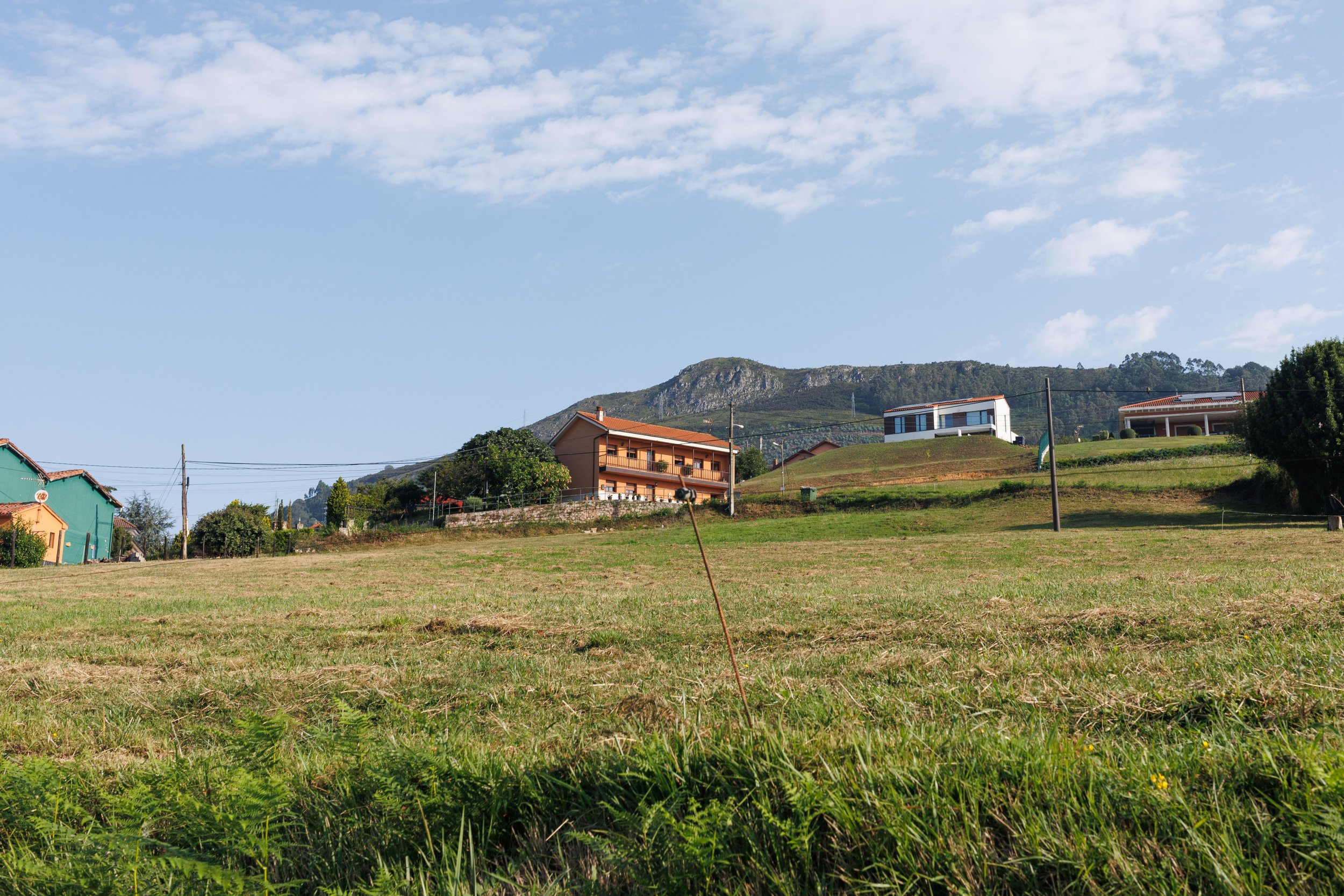
Although it technically began at the Cathedral, only after leaving the city limits did the spirit of the Camino set in. Suddenly surrounded by farms with the city long gone over the horizon, this was the first time we had to really reckon with the idea that our destination was over 200 miles away. We also wouldn’t be seeing a city the size of Oviedo again until we were back in Madrid.
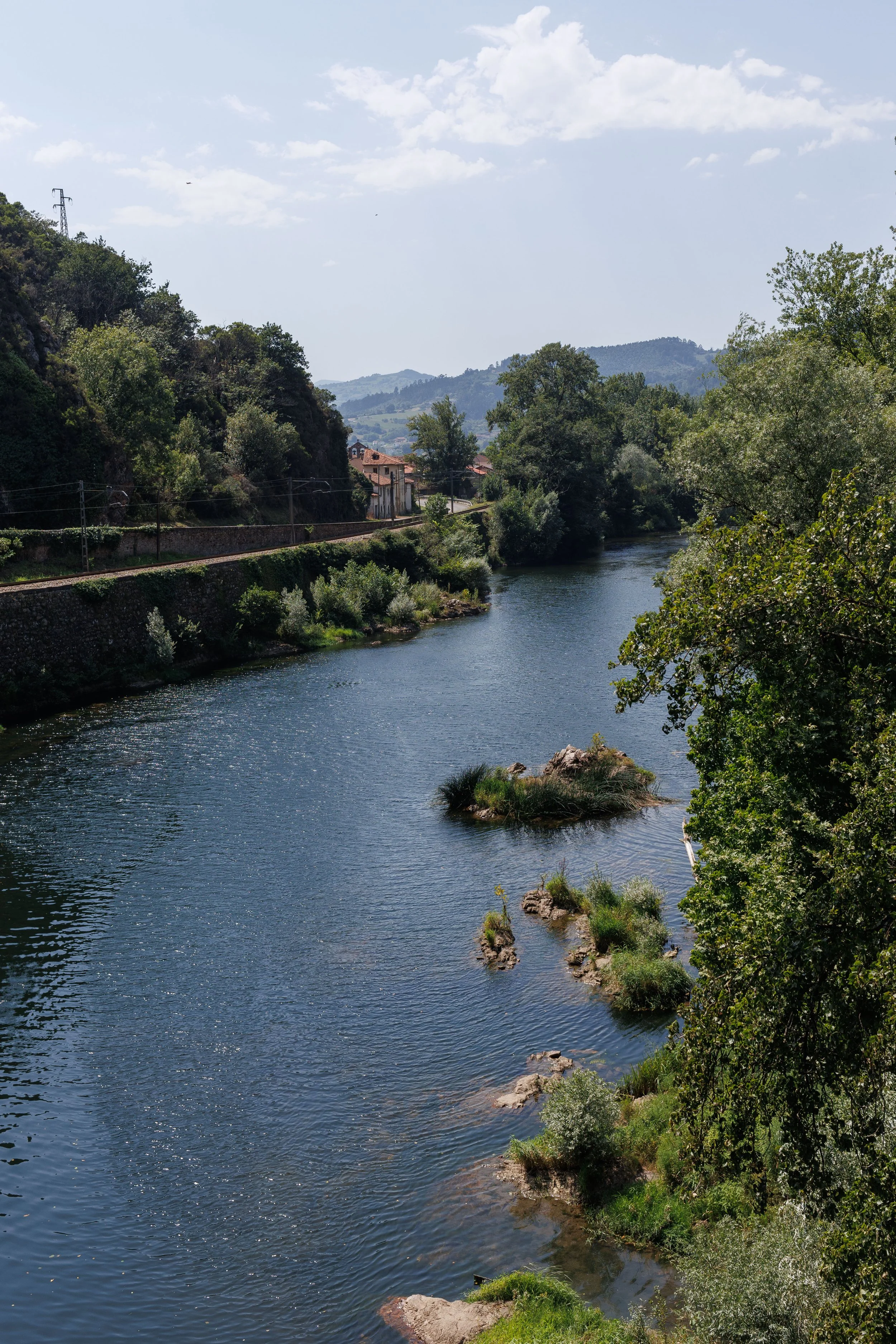
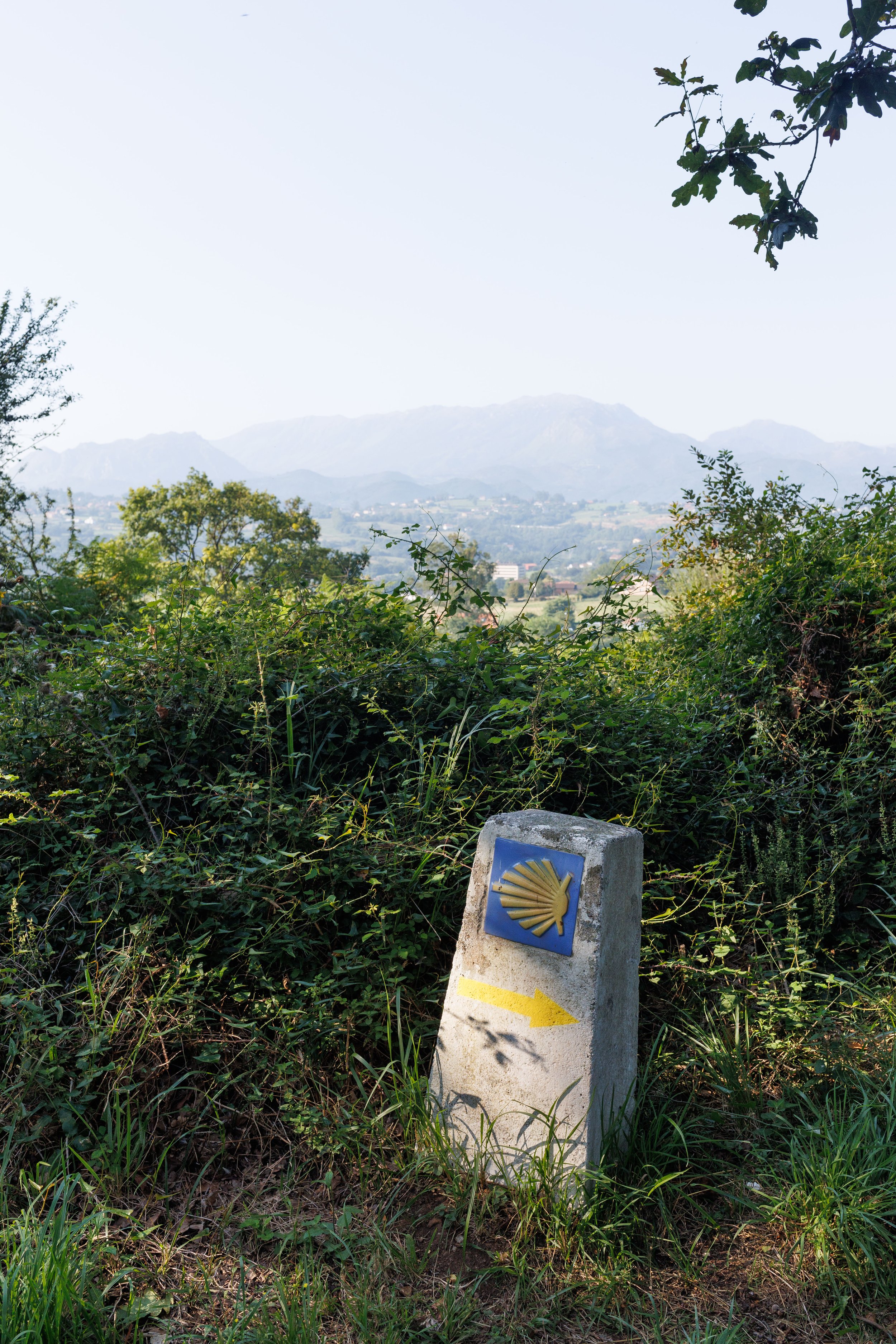
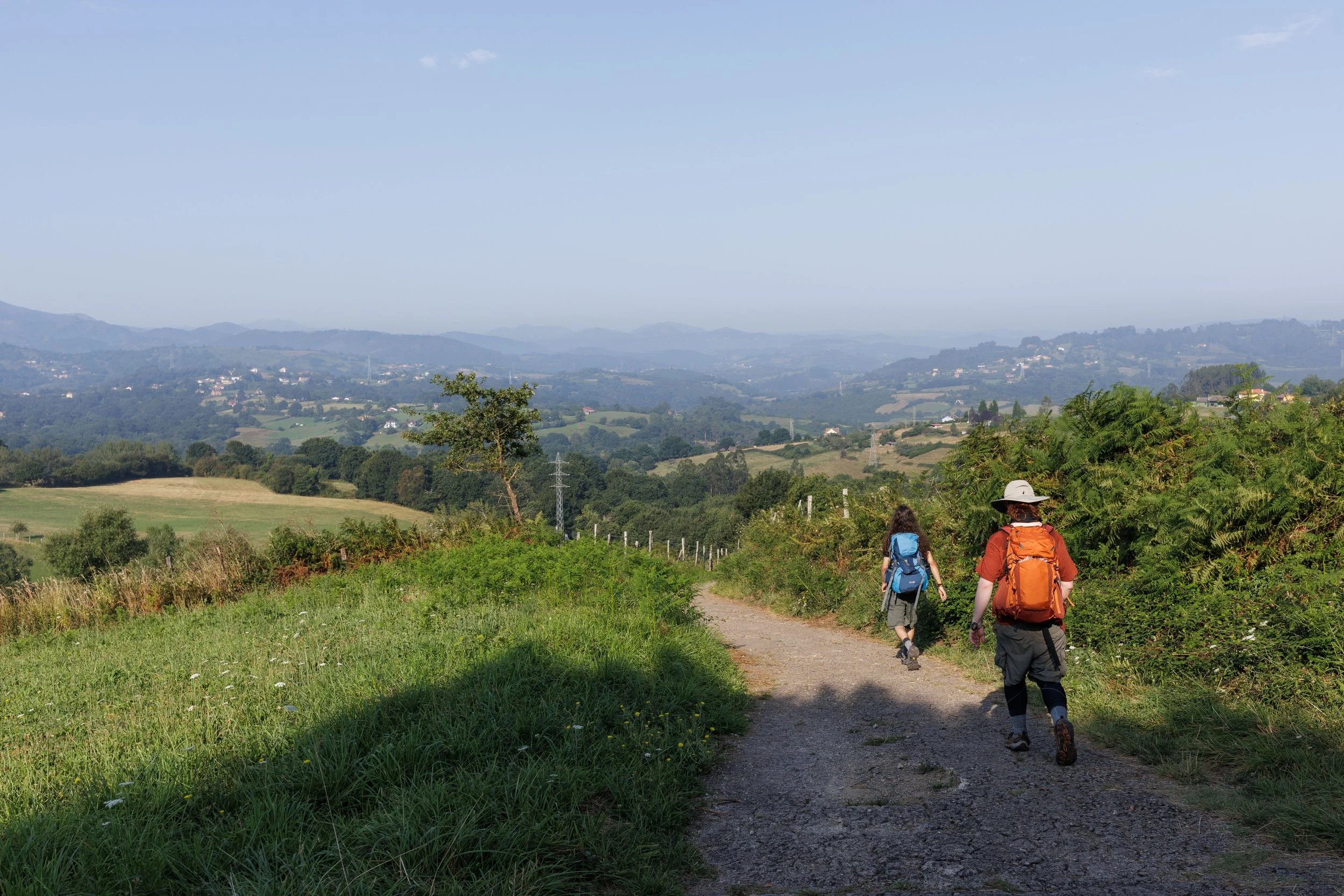
The Camino Primitivo, the specific route we chose, was the most rural and wild route (although the name “Primitivo” actually refers to it being the first of the routes, the one King Alphonso II of Asturias walked upon hearing that St. James’ bones had been discovered in Santiago). This meant spending a lot of time away from amenities, at least by pilgrim standards, and we were experiencing our first taste of that. Our first day of hiking also coincided with what became the hottest day of the year in Asturias, hitting 104° F in the late afternoon. As the morning fog dispersed and we left the cover of the shadowed city streets, the heat and UV exposure quickly became a factor.
About halfway through our journey for the day, we stopped for lunch at El Tendejon de Fernando in Escamplero. Sitting directly on the Camino, it was packed with pilgrims who all had the same idea we did. We found a nice shaded table outside and sat down with a woman from Colombia that we had been talking to on the trail. It was hot but it wasn’t much cooler inside; the only air conditioner we came into contact with throughout the whole trip was in the room where we stayed on our last day in Madrid (another 100° F day, more common in Madrid than Asturias).
We each ordered bocadillos, a Spanish ham and cheese that we would get to know very well over the course of the trip, and several drinks. The sandwiches came on fresh, thick bread, but were rather small. Having just hiked nearly a dozen miles in the heat, including up the hellish hill that brought us to the restaurant, we were starving and all ordered seconds and then thirds. We tried not to worry about the bill, but it was on our minds until we received it and saw that everything was only €16. I know it’s a common experience for Americans in Spain, but I was blown away by the affordability of the very high-quality food we ate on the trip.
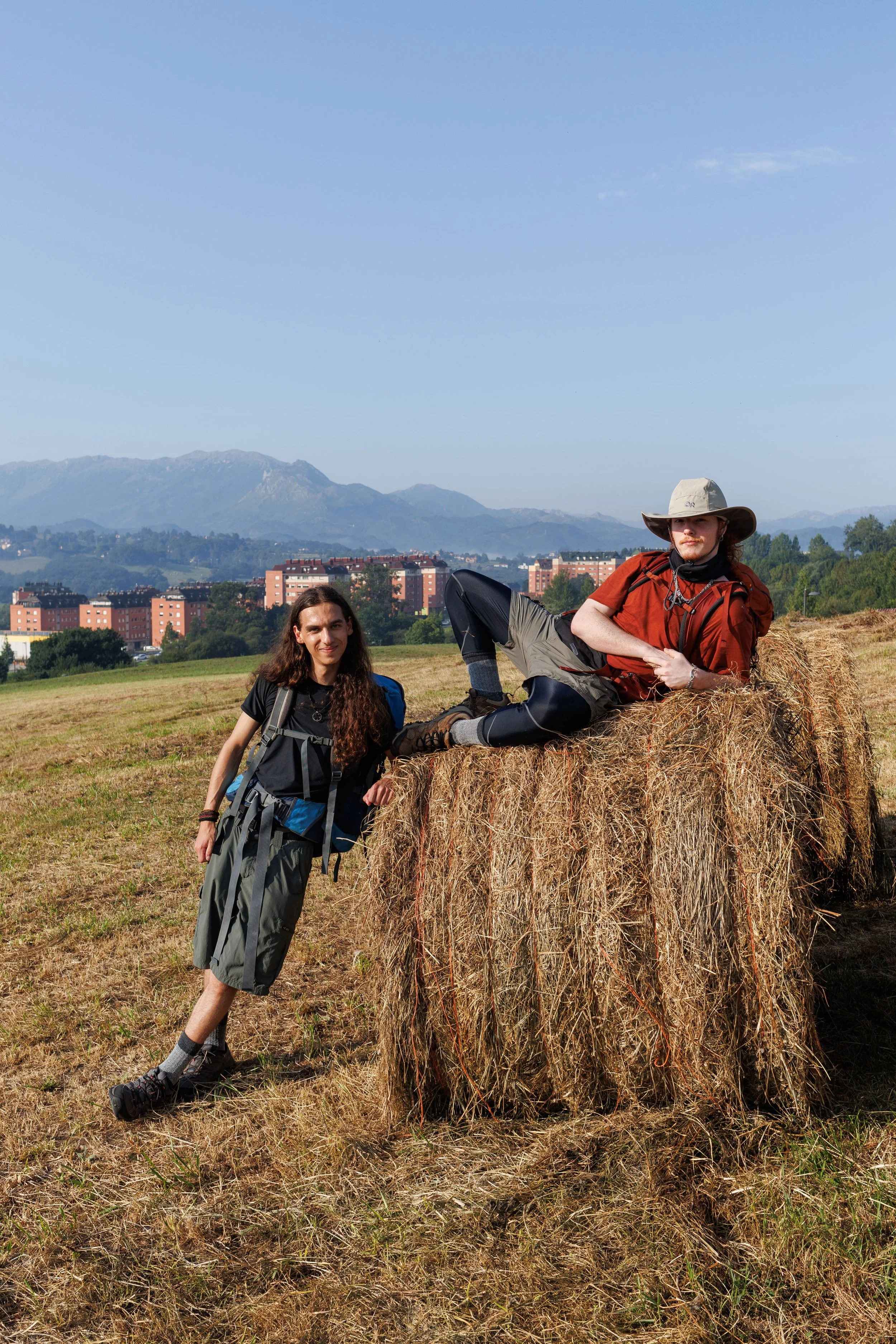
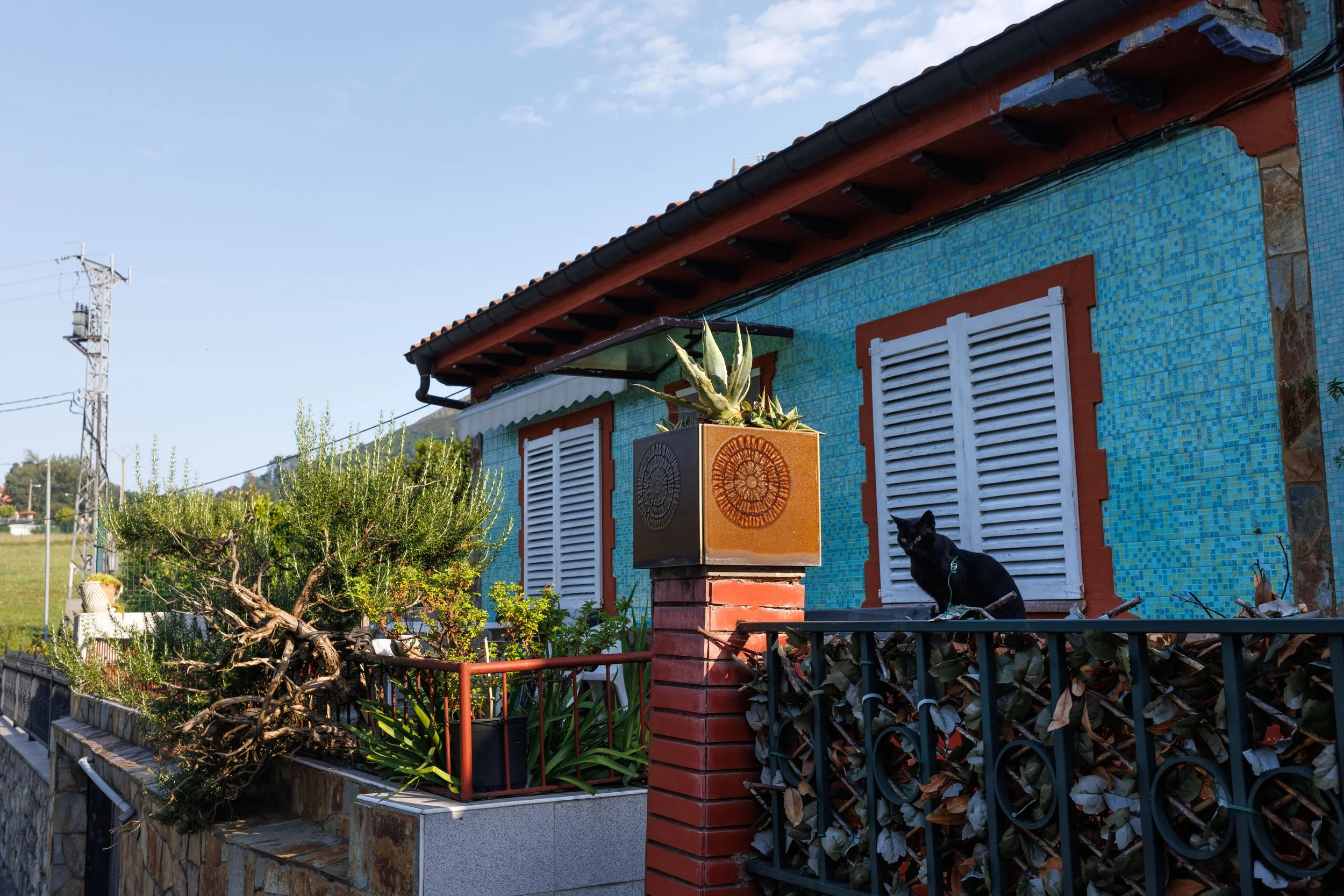
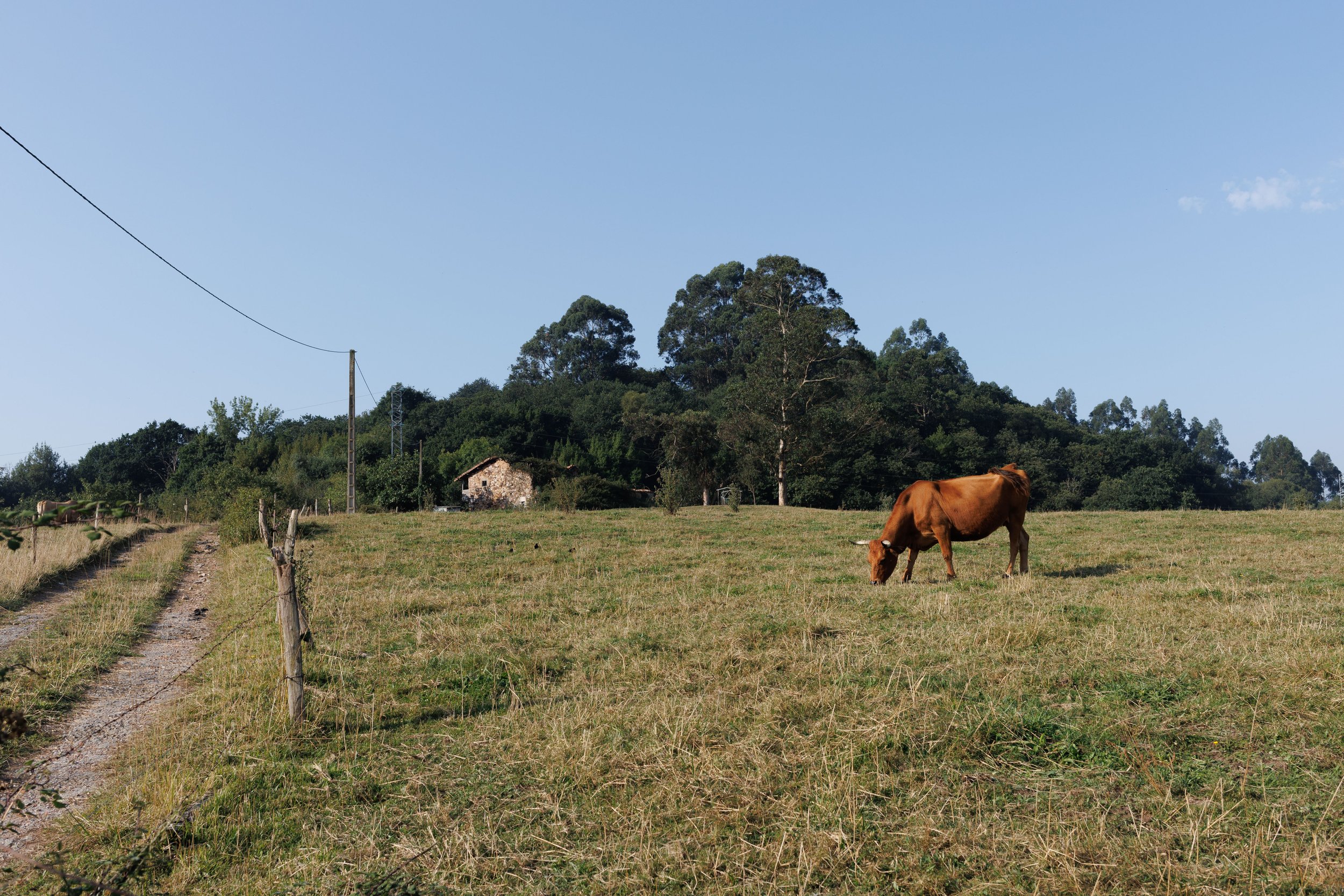
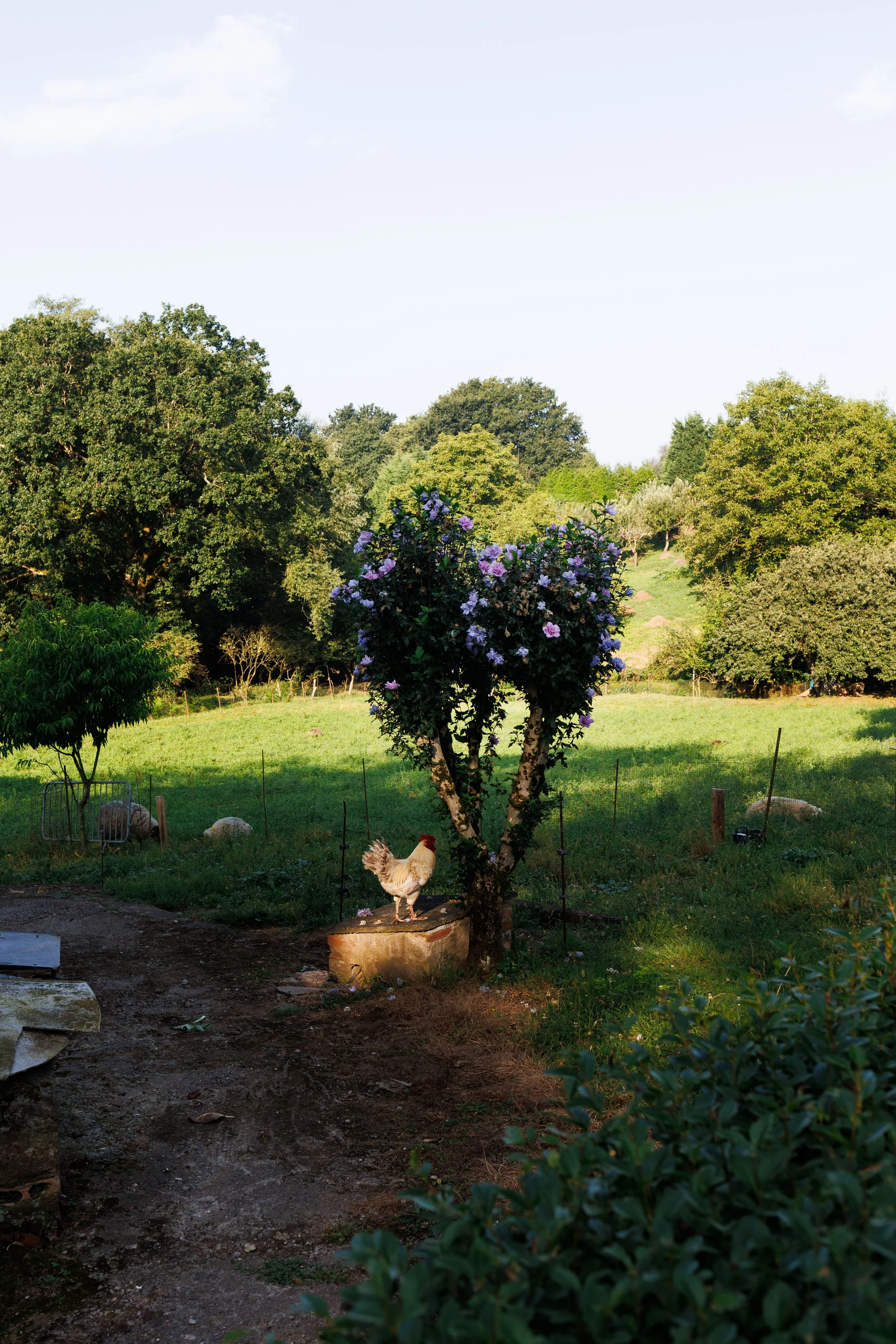
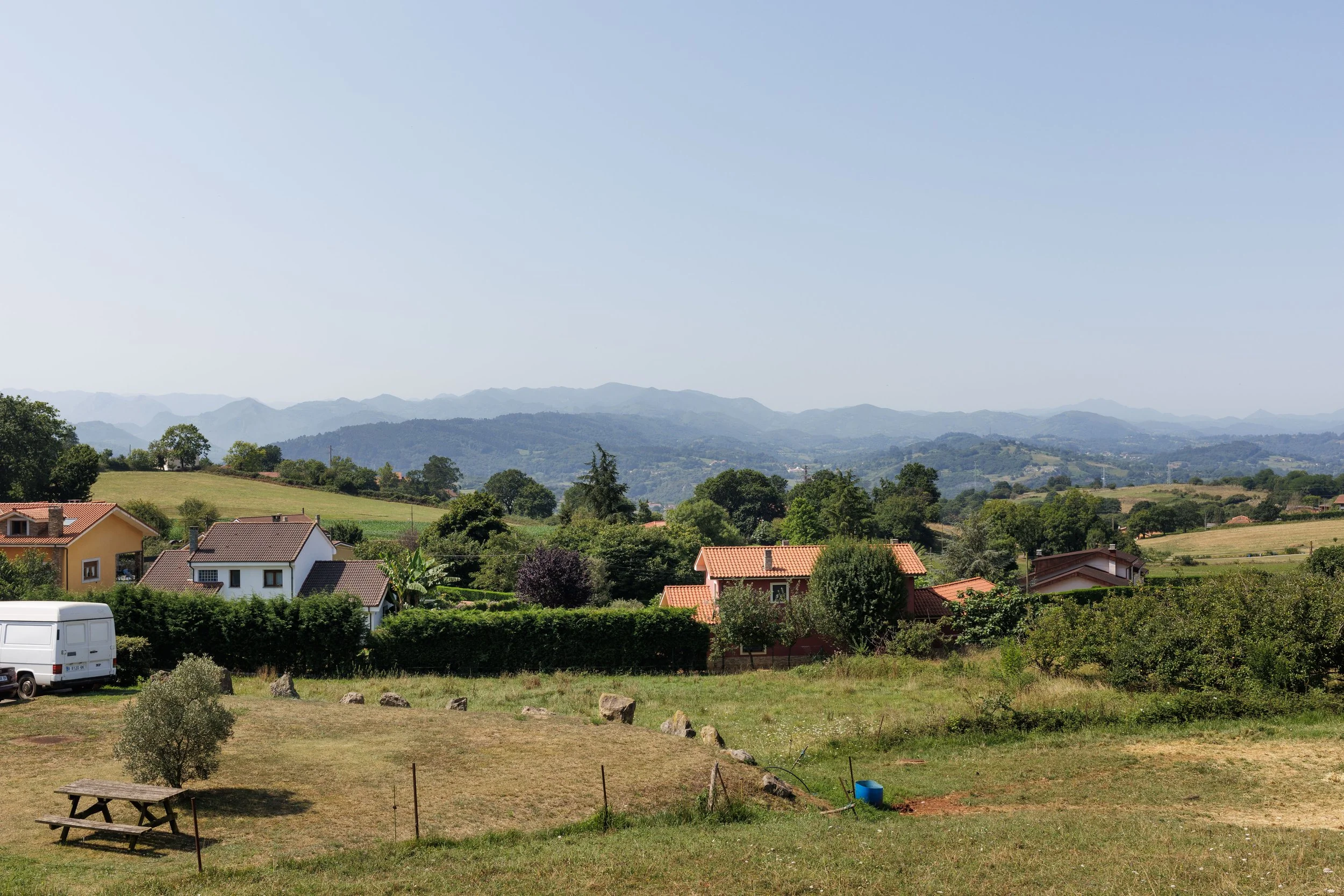
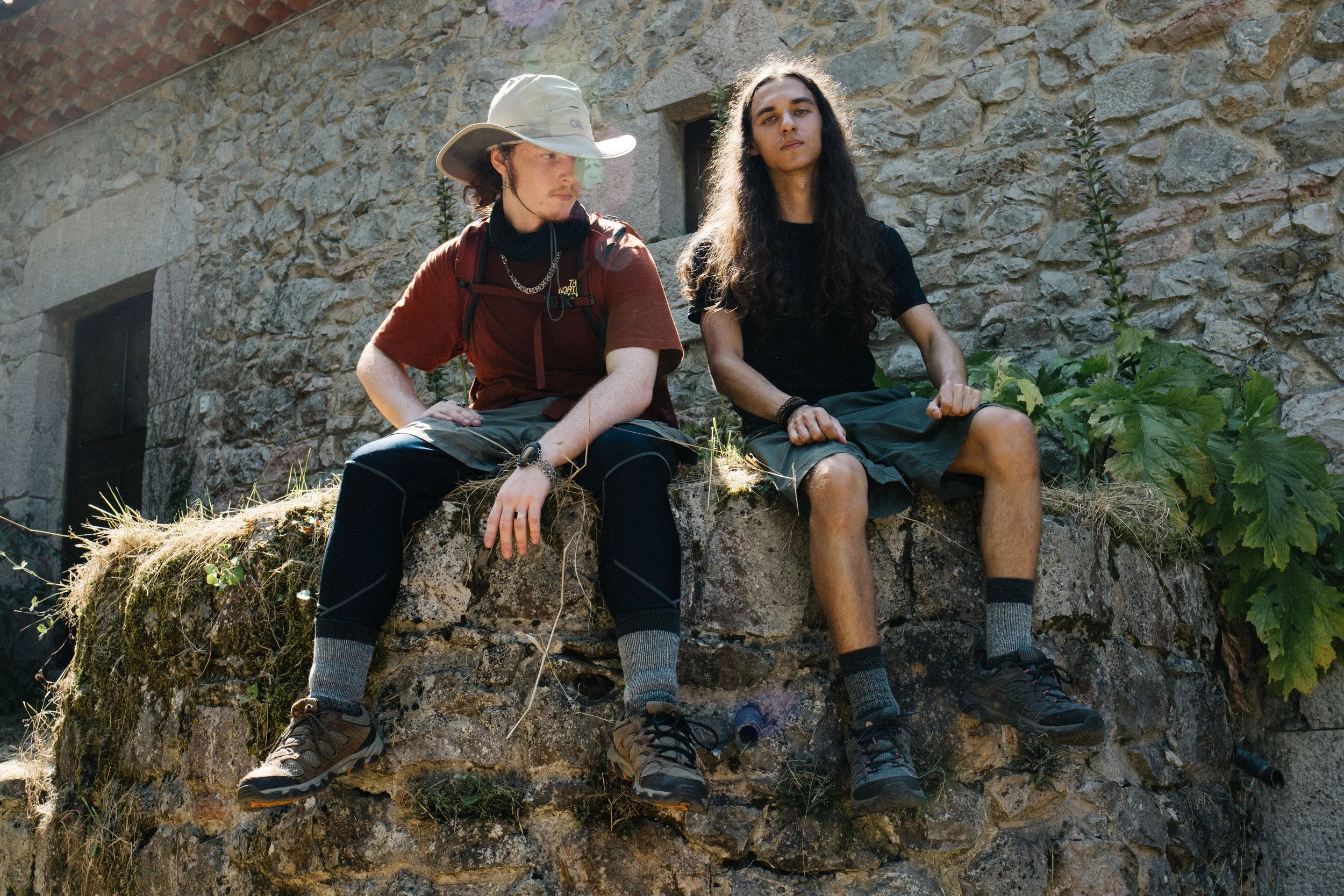
Having been fueled by the meal, we set out again until we reached Grado, the town we had planned to stop in for the night. On the Camino, one most often stays in albergues, hostels that sleep many guests to a room. Many towns run their own albergues and offer beds to pilgrims for free, but these spots are first-come, first-serve and extremely limited. We had originally planned to check out the municipal albergue in Grado, but found it totally full by the time we arrived. This was mostly as expected, we had had a fairly slow day in the heat and didn’t start nearly as early as some other pilgrims, so we weren’t daunted. However, after calling every single albergue and hotel we could reach, we found that the town was completely booked.
Out of options, we started scouting ahead to see if we could continue forward to find somewhere to stay. But the nearest albergue was nearly 10 miles away and some amount off the Camino, which we weren’t really willing to put up with in the heat. Not to mention, we weren’t able to get them on the phone to verify open spaces, so we’d be risking showing up to another spot that was out of space.
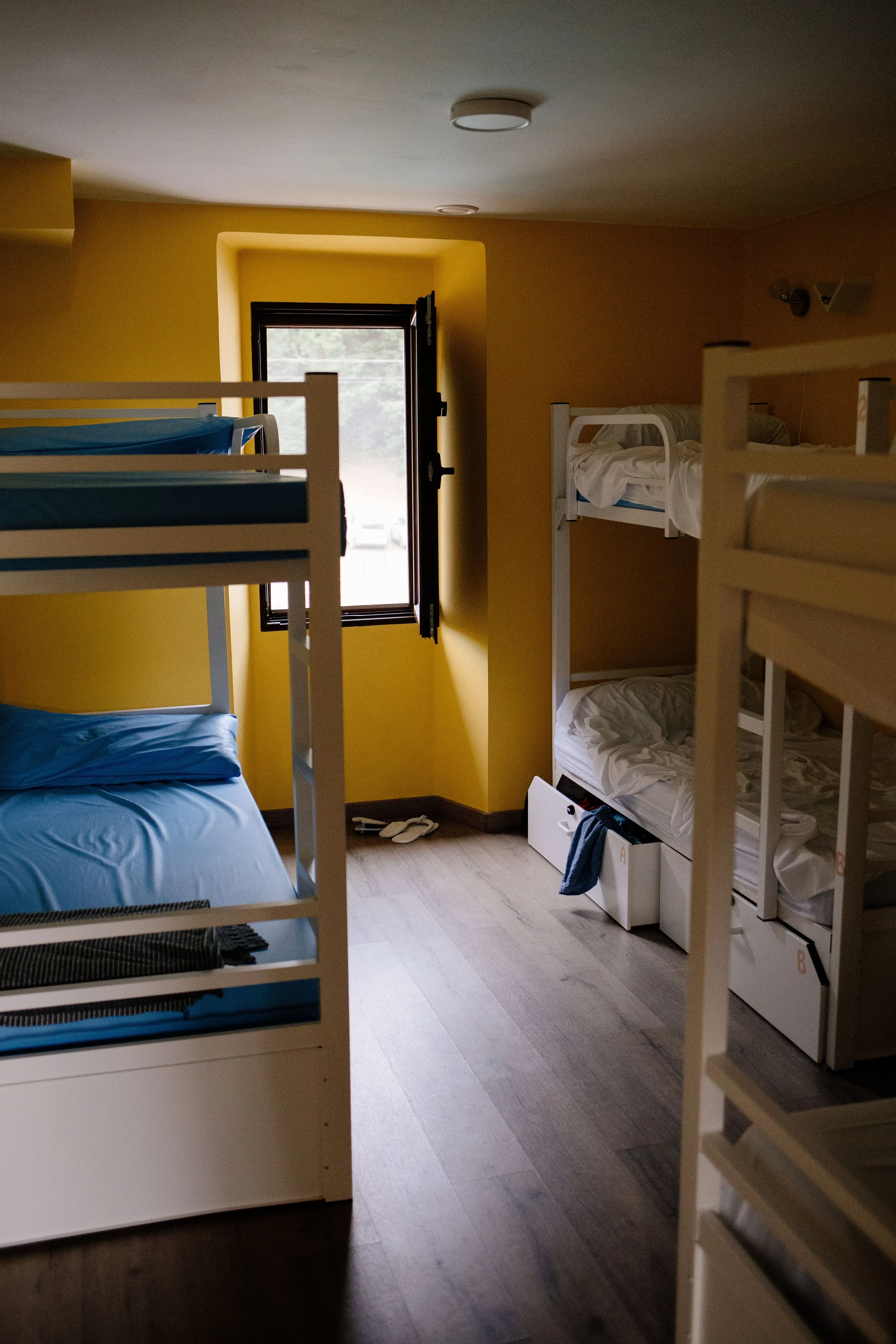
Ultimately, we would end up having to go backwards. The only beds we could find were in a boarding house about three miles back, Villa Palatina. It looked very nice, and to ease us into the albergue experience, it only slept about six to a room and came with a complimentary meal. After much deliberation, we decided it would be OK to take a taxi; we had already walked past this place and would in fact be retracing our steps the next morning to get back to Grado, so it wasn’t like we were cheating.
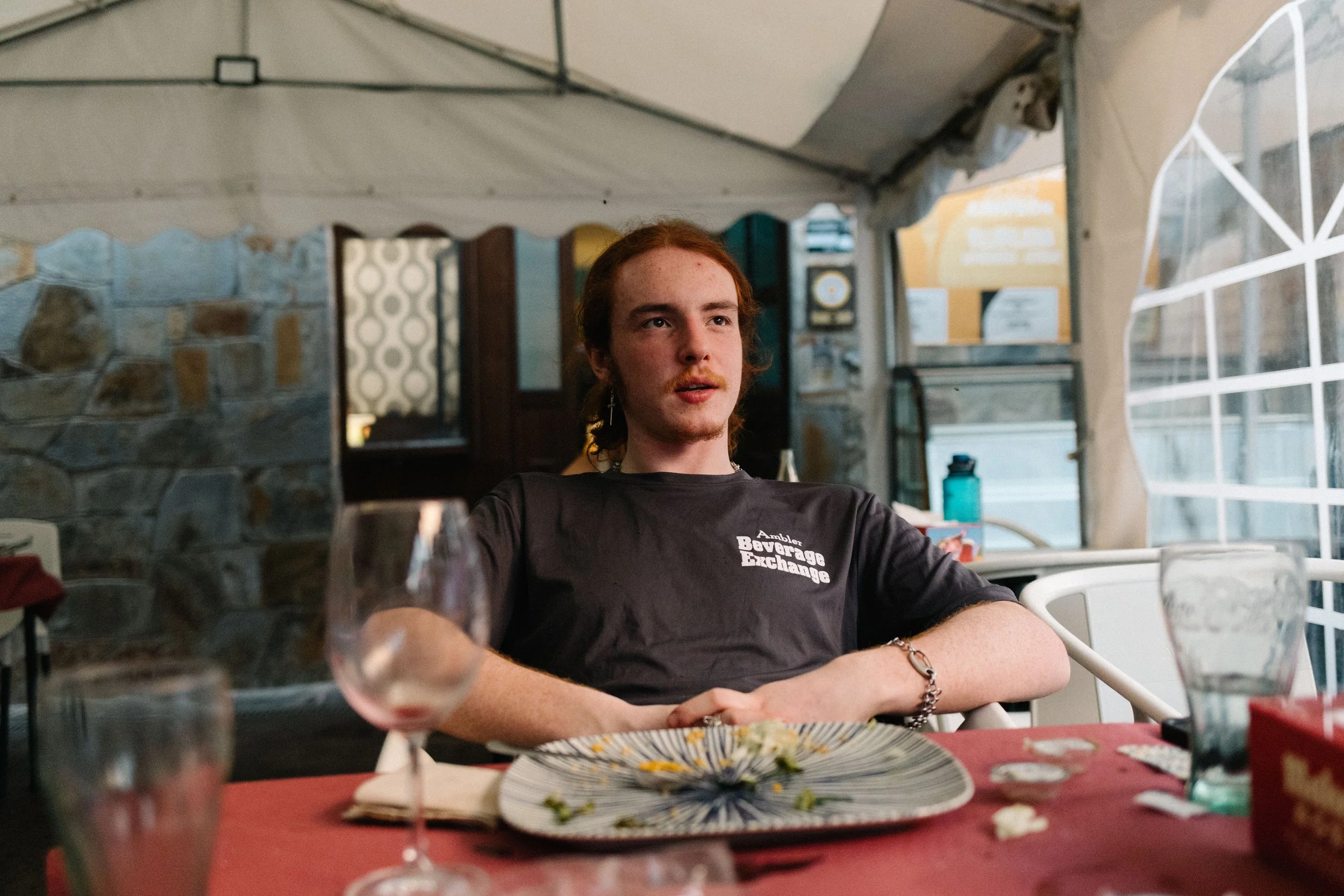
After a short ride in which the taxi driver stopped by his house to run a quick errand, we finally made it. After unpacking, checking for bed bugs (another mandatory routine) and some quick showers, we headed downstairs and enjoyed the meal that the hosts had cooked, another Asturian dish called cachopo. I was a little anxious to get back to our rooms, but all the other pilgrims and the hosts themselves were hanging out on the patio where we ate, and we ended up staying pretty late into the night, at least later than we expected. Afterwards, we returned to the room that we were sharing with two Italian engineers that told us that they were planning to finish the Camino in eight days (we were taking 12, or so we thought) and that the food in Italy was much better anyway.